



Yes, You Can Go Home Again: A Visit to St. John's Residence for Boys
How relationships, second chances, and lived experience shape the work that stays with us for life.
Published: Jan 04, 2026
Written by our Founder and Chairman, the Celebrations Pulse letters aim to engage with our community. By welcoming your ideas and sharing your stories, we want to help you strengthen your relationships with the most important people in your life.
People often say you can’t go home again. In a sense, it’s true: Over time, we all change, as do the places that shaped us. When we return, it never feels exactly the same.
This idea, from an old Thomas Wolfe novel, captures something real, but I don’t think it tells the whole story. If you return with an open mind, going home can remind you of what mattered most back then. It can make it clear how much you’ve grown.
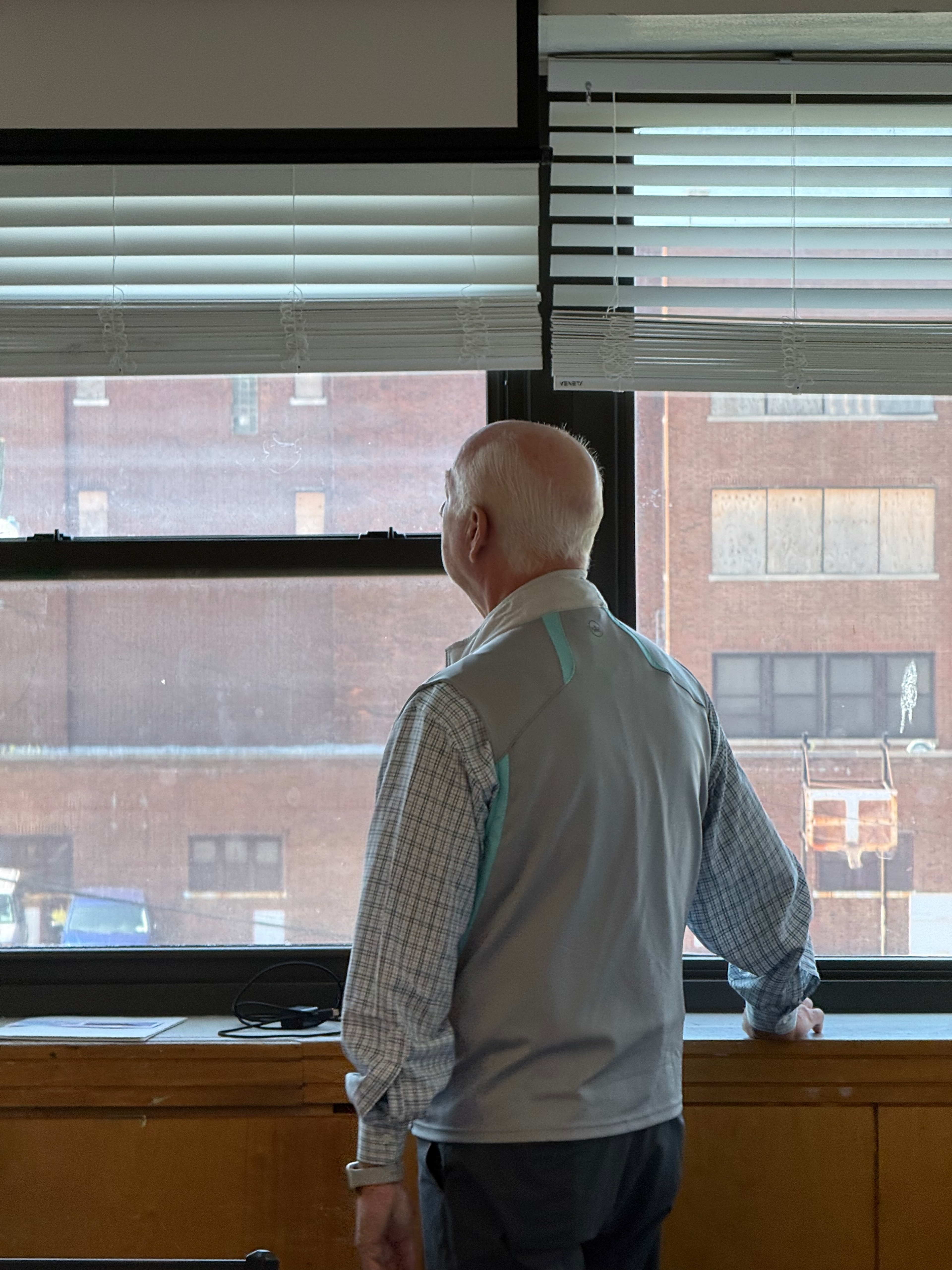
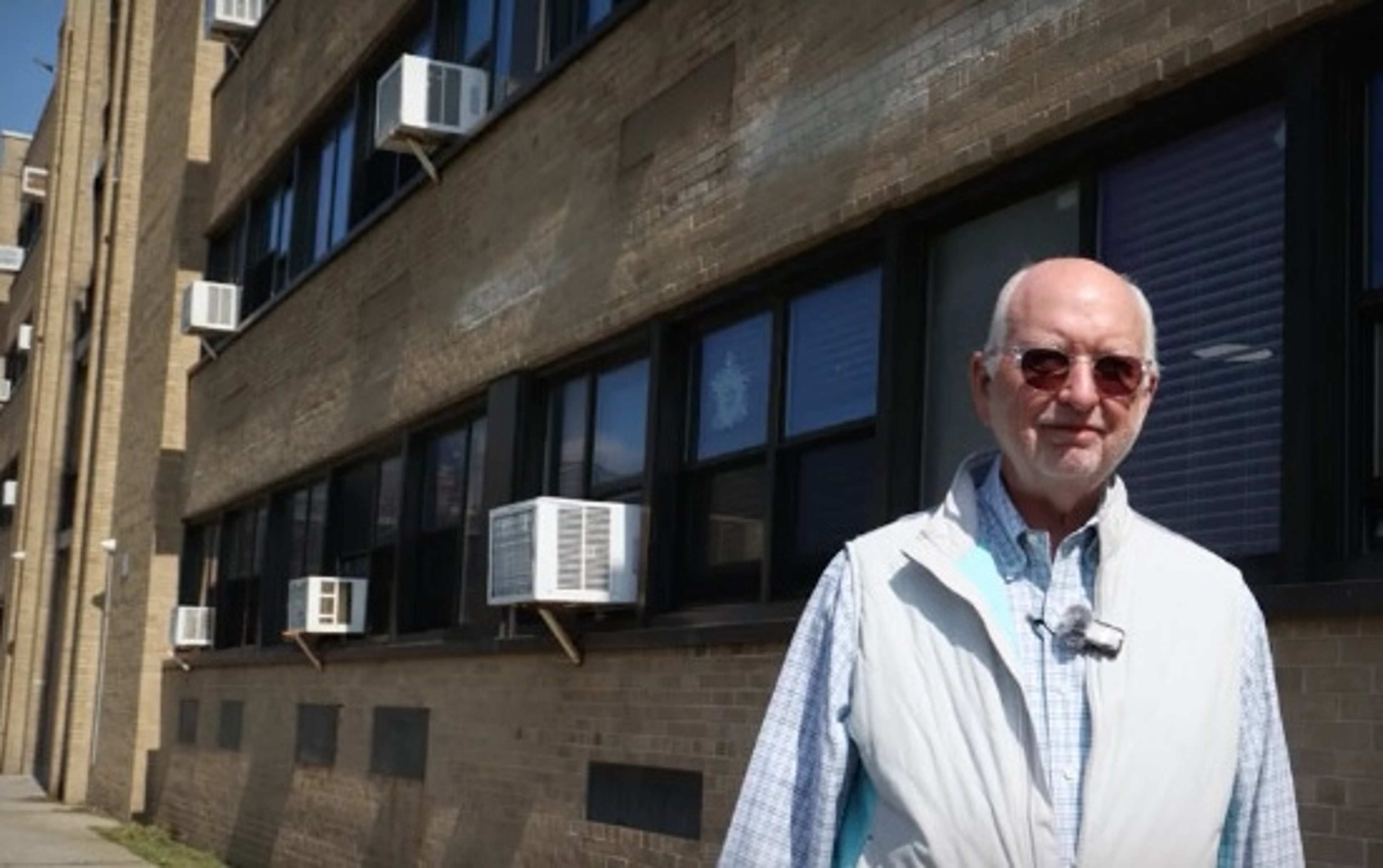
Recently, I had the chance to go “home” again. By home, I mean one of the places where my working life began: St. John’s Residence for Boys, a home in Rockaway Park, Queens, that has long supported young men through difficult circumstances.
The faces were different, and the buildings had changed. When I worked there, St. John’s was run by a group of live-in Marianist brothers. Today, the program operates in affiliation with Little Flower Children and Family Services of New York.
Yet as I walked the hallways and learned more about the program, it felt very familiar.
A place for second chances
For more than a century, St. John’s has held to its mission of helping boys regain their footing. In the early days, it served orphans. Later, its focus turned to young people navigating family instability, addiction, school challenges, or involvement with the court system.
That mission drew me there. I grew up in South Queens in a blue-collar neighborhood filled with tradespeople and police officers. I thought I might become one and was studying criminal justice while working nights as a bartender when a friend who worked at St. John’s invited me to come by for dinner one night.
By the end of that evening, he handed me a set of keys and asked if I could start immediately.
That first overnight shift turned into 14 years. I worked first as a live-in counselor and later ran programs on the campus in Rockaway Park. I lived alongside the boys, sharing meals, enforcing curfews, and getting through long days and nights.
Officially, I was a counselor. Only later did I understand how much I was being taught about people, responsibility, and the kind of work that stays with you long after the job ends.
Why relationships come first
One lesson I learned early involved the importance of relationships.
At St. John’s, one set of rules alone was never enough. Every boy was different, and each required a different approach. I learned that through a boy named Joe, who was withdrawn and volatile if anyone crossed an invisible line. No one touched or got close to him.
Instead of keeping my distance, I invested in the relationship. I made a point of seeking Joe out and messing up his carefully combed hair, something no one else dared to do. He would protest, storm off to fix it, and return calmer. That ritual showed him that I respected him and wasn’t afraid. Once that trust existed, everything else became manageable.
During my visit, I thought about the gifting business I had built and realized I’d been applying the same lesson. My job wasn’t just selling gifts but also earning trust, understanding what mattered to people, and finding a connection.
Learning outside the classroom
At St. John’s, learning has always happened throughout its campus, not just in classrooms. That’s true for the boys and the people who work there.
During my recent visit, staff shared stories from the days after Hurricane Sandy. With the campus on a narrow spit on the south shore of Long Island, flooding caused serious damage, and one building remains vacant today. Through it all, the staff’s focus stayed on keeping the boys safe.
Those stories brought back memories of fires, power outages, and a boiler that failed in the middle of winter. With no immediate replacement, we figured out how to keep it running and the building warm.
That same “all hands on deck” thinking shapes how St. John’s approaches education today. When architects, surveyors, or contractors come on site, time is set aside for the boys to understand the job and get involved. Work becomes the lesson.
Owning your story
As my visit was coming to an end, I had lunch with several of the boys. It gave me the chance to share something I learned years ago from my boss, Brother Tom, about the labels we all carry.
I didn’t need to explain the idea to them. Many of the labels they live with are familiar ones: troubled, at risk, and behind, to name a few. What St. John’s has always understood is that a label does not have to be the end of the story.
What matters, I told them, is how you choose to continue the story from here. You can let a label limit you, or you can decide what comes next. Setbacks can stop feeling like endings and start feeling like material for the story still being written.
While telling that story, I felt right at home. In fact, it was almost like I had never left.
All the best,
Jim
Explore Popular Celebrations Pulse Topics





AUTHOR

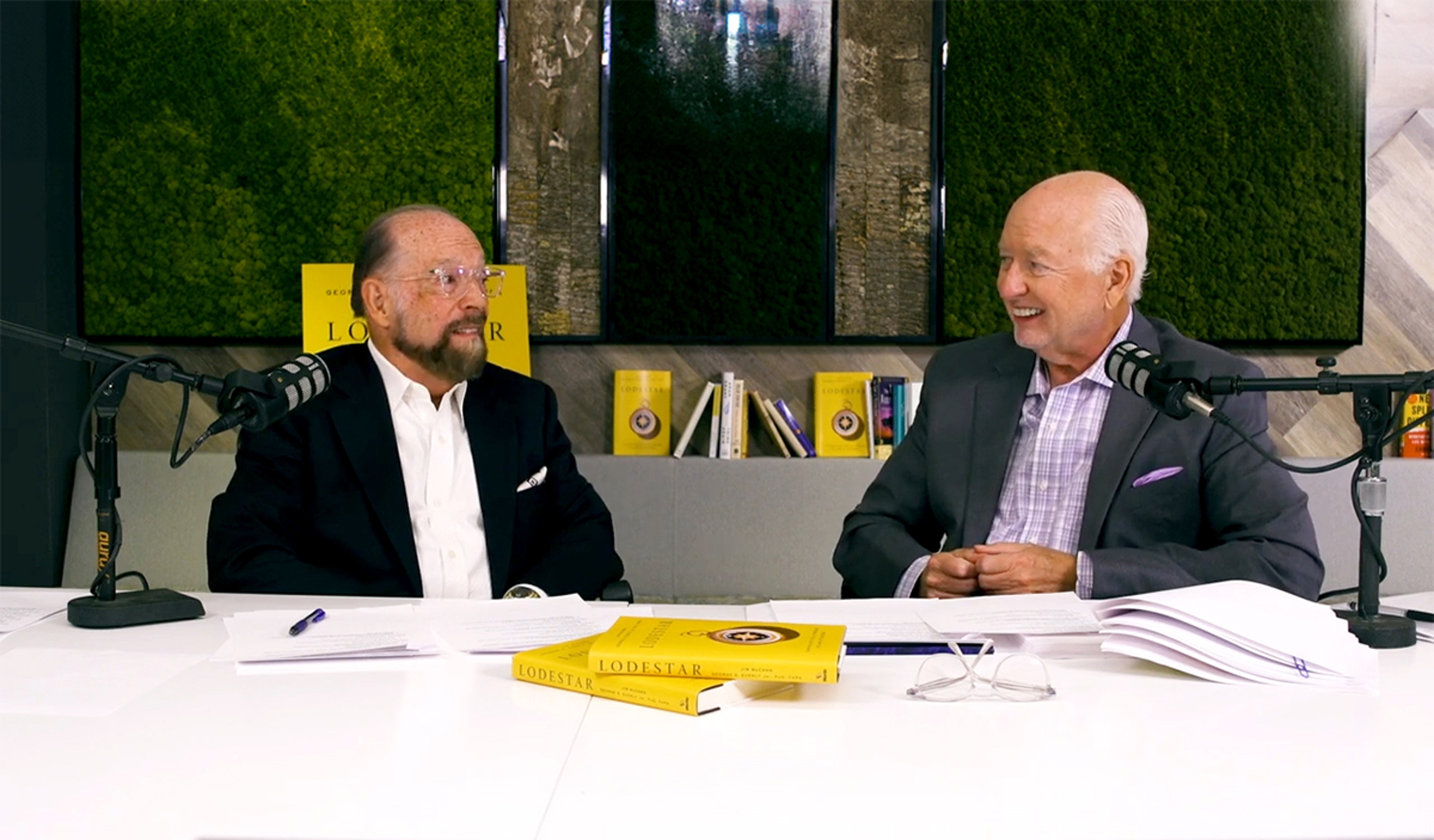
Jim McCann is the founder and chairman of 1-800-FLOWERS.COM, Inc. as well as a business leader, author, and philanthropist with a passion for helping people deliver smiles. Devoted to helping others, he also founded Smile Farms, a 501(c)3 organization that provides meaningful jobs in agricultural settings to young adults and adults with developmental disabilities.