



How Kindness Melts Away the Winter Blues
Small acts of connection can lift heavy days, ease loneliness, and remind us we’re more connected than we think.
Published: Feb 15, 2026
Written by our Founder and Chairman, the Celebrations Pulse letters aim to engage with our community. By welcoming your ideas and sharing your stories, we want to help you strengthen your relationships with the most important people in your life.
By now, winter is probably wearing on you. If you’re in the Northeast like me, those long stretches of sub-freezing temperatures can test anyone’s patience. Even if you live in a warmer climate, winter still has a way of lingering with short days that no 72-degree day can shake.
This stretch can weigh on our mental health. Scientists call it seasonal affective disorder, but most of us simply know it as the winter blues. It feels heavier against the backdrop of a broader loneliness epidemic, as our digital lives increasingly leave many with fewer close friendships.
The encouraging news is that relief does not require a dramatic overhaul. It often begins with a simple act of kindness, such as making a phone call just to check in, sending a note without occasion, holding the door, or buying coffee for the person behind you in line.
Gestures like these may seem small, yet they can interrupt isolation and restore a sense of connection. In a season marked by cold and early darkness, kindness creates a warmth that builds gradually and reaches farther than we expect.
A week to put kindness to the test
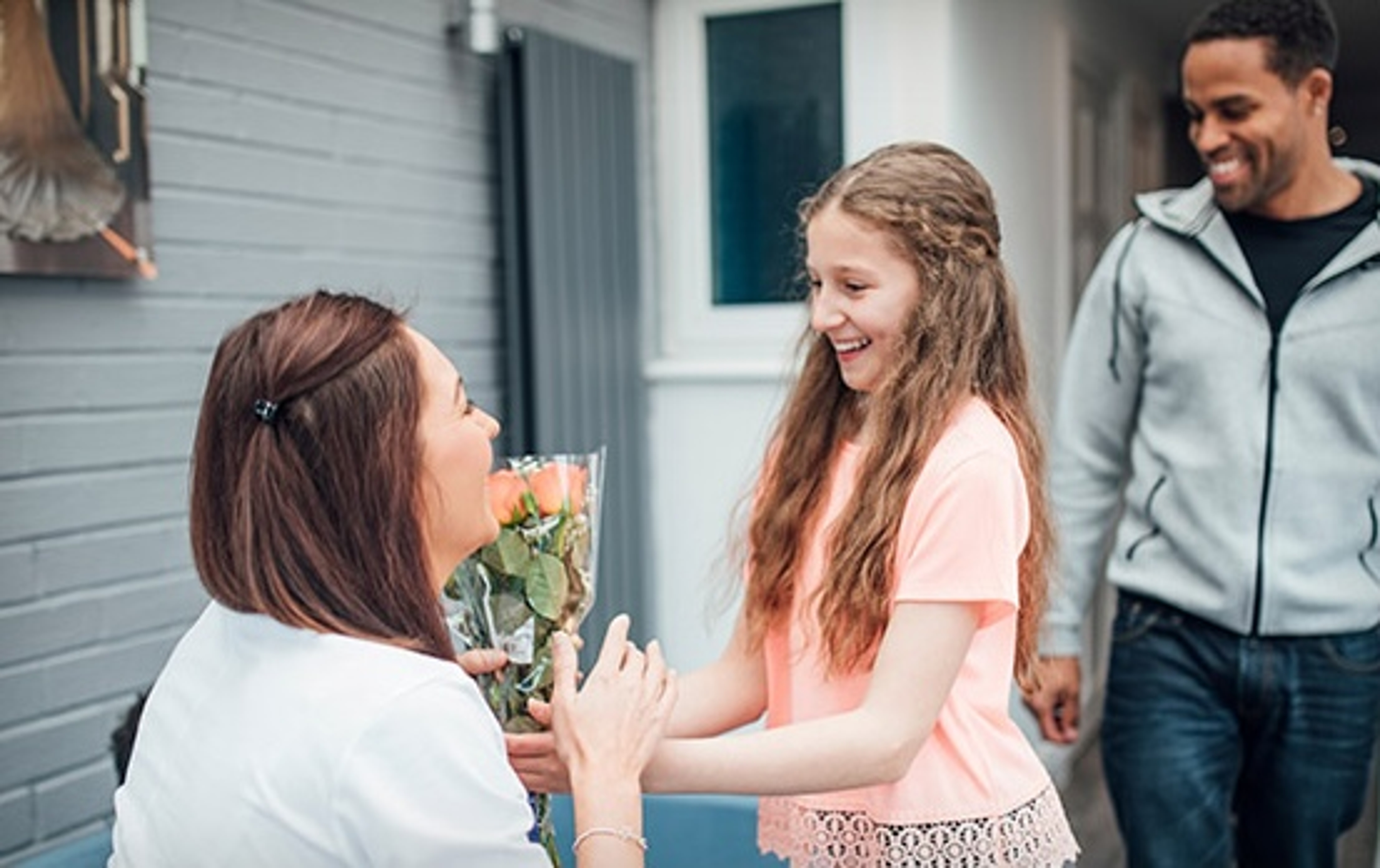
This week gives us a timely invitation to practice kindness: Today (Feb. 15) marks the start of National Kindness Week. Since 1995, the Random Acts of Kindness Foundation has encouraged people to see what happens when they choose generosity on purpose.
Science supports the instinct. Research shows that people who act kindly — motivated by a genuine desire to help — report greater happiness and self-esteem, along with lower stress. For those navigating anxiety or depression, shifting attention toward helping others can interrupt cycles of rumination and restore a sense of agency.
The Mayo Clinic notes that acts of kindness activate the brain’s reward systems while also easing loneliness, which is an essential step in confronting the broader isolation many communities are experiencing. Decades of research continue to affirm that strong social bonds are closely linked to longer, healthier lives.
Kindness in our community
In last week’s Celebrations Pulse, I asked you to share your experiences with kindness. The responses confirmed what I already suspected: this is a deeply kind community. What stood out wasn’t just what you shared, but how kindness showed up in different forms and at different moments, often when it was least expected. Here’s a sampling:
The lighter side of the season
Some of the most enduring acts of kindness come from people we never get to know. They just choose to help, without any expectation of recognition or return. What they offer lingers far beyond the encounter itself and is remembered long after the moment passes.
Barbara recalls slipping on an icy sidewalk during a winter storm years ago. “Just before a face plant, two people grabbed my arms and pulled me back,” she wrote. “I never even looked at my helpers.” She walked away unhurt — and still grateful.
Mary was going through a painful divorce when her water heater broke. Standing alone in a hardware store parking lot, she wasn’t sure how she’d get it home. “A kind gentleman saw what I was doing,” she said. “He offered to deliver it inside my garage. He wouldn’t take money — only my prayers.”
Sandra experienced kindness in the middle of crisis. While on vacation, her car broke down and caught fire in an unfamiliar city. “A lady coming out of a store asked what she could do to help,” she wrote. That stranger called the fire department, arranged a tow, and drove Sandra and her husband 20 miles to their hotel. “She was our guardian angel.”
Kindness, paid forward
Kindness rarely stops where it starts. Given freely, it has a way of circling back — sometimes through another person, sometimes through a moment that feels almost impossible to explain.
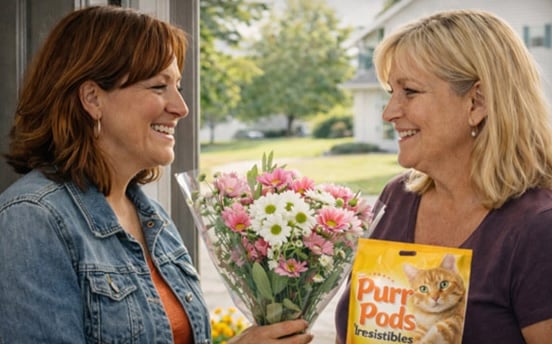
Julie remembers stepping in at a crowded grocery store when a woman’s debit card was declined. “I leaned over and told the cashier to add everything back and that I would pay for her order,” she wrote. The next day, the woman appeared at Julie's home with flowers and a treat for her cat. “She said she was going to pay my kindness forward.”
Cathy remembers helping a coworker in a wheelchair during a stormy commute. “I have difficulty walking myself,” she wrote, “but I stopped to try and help him.” At the time, it felt small, but later she realized how much it mattered. "It made me want to do good at all times.”
The momentum of kindness
The ripple effects are what make kindness so powerful, especially in seasons when the days feel heavy or the world feels divided. None of it requires perfect timing or grand gestures. It simply requires seizing the opportunity to be kind.
When we choose to show up for one another, a burden grows lighter and someone feels less alone. That small shift can begin a chain of generosity we may never see unfold, yet it continues to carry the spirit of the original act forward.
Kindness reminds us, again and again, that we’re more connected than we realize.
All the best,
Jim
Explore Popular Celebrations Pulse Topics





AUTHOR

Jim McCann is the founder and chairman of 1-800-FLOWERS.COM, Inc. as well as a business leader, author, and philanthropist with a passion for helping people deliver smiles. Devoted to helping others, he also founded Smile Farms, a 501(c)3 organization that provides meaningful jobs in agricultural settings to young adults and adults with developmental disabilities.