



Lessons on Grief From a Community That Knows How to Love
Community reflections on the comfort we find in each other’s care, even when the right words are hard to find.
Published: Dec 07, 2025 | Modified: Apr 17, 2026
Written by our Founder and Chairman, the Celebrations Pulse letters aim to engage with our community. By welcoming your ideas and sharing your stories, we want to help you strengthen your relationships with the most important people in your life.
People often say nobody wants to talk about grief. It makes us uncomfortable and reminds us of our own mortality. Because of that, when grief enters our lives (as it inevitably will), many of us feel unsure of what to say or do.
That’s why, in October, I wrote a Celebrations Pulse with ideas on how to show up for someone who is grieving. I shared a few personal experiences, offered some expert guidance, and invited readers to share their thoughts.
What happened next was remarkable. Hundreds of you shared stories both from the perspective of those who have mourned and those who have tried to provide comfort. While we may hesitate to talk about grief, we have a lot to say about what helps during life’s hardest moments.
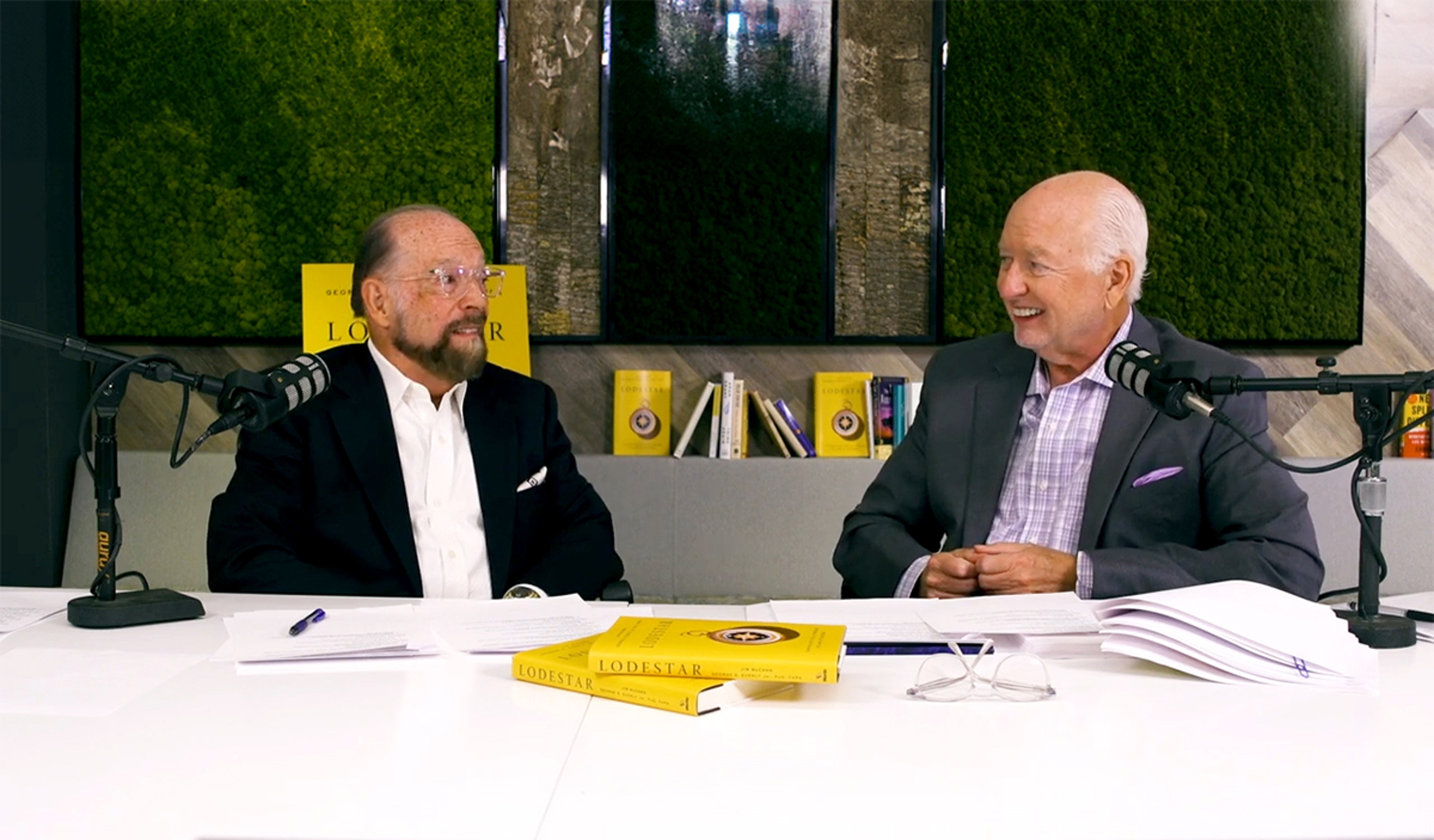
This week, I’d like to share some of those stories both in today’s letter and a special edition of my Celebrate Your Story podcast. My hope is that we can all learn from the collective wisdom of this community. I know I did.

The gift of presence
One of the themes in your letters involved the power of presence. Grief makes the world feel unsteady, and a steady presence can bring a grounding that nothing else can provide. Many wrote about moments when someone showed up and offered comfort without relying on words.
Jane told me about her friend Jack, who approached her after her father passed. He held her hand and met her eyes. “He didn’t say a word,” Jane shared. “His gestures and his eyes said it all. I’ve forgotten the words of many others, but I’ll never forget the care expressed by Jack.”
Daisy wrote about a similar experience after losing her husband:
“After my husband passed away and I returned to work, coworkers said to me, ‘I don't know what to say.’ I responded with, “Can I have a hug?’ They gladly hugged me and I thanked them.”
Dianne remembered a moment from more than 30 years ago, one that remains vivid today. At her father’s funeral, a friend approached, admitted she had no words, and sat beside her holding her hand. She wrote:
“That simple human touch meant everything. I don’t remember anyone else’s words. I’ll never forget that moment.”
Put another way, presence can speak louder than anything we say. In difficult moments, people often remember not the perfect words but the feeling of being supported. Presence becomes its own kind of language, one that comforts and lets someone know they don’t have to walk through their grief by themselves.
The power of simple gestures
Many of your letters spoke to the strength of practical support. Grief can make even the simplest daily tasks feel heavy, and the gift of service becomes a way of lifting some of that weight. Gestures like a delivered meal or running an errand may seem small, yet they create room for someone to breathe when everything feels overwhelming.
Beth shared how meals and stories about her father brought comfort in the early days after her loss. “Grief is universal,” she wrote. “Supporting one another should be, too.”
Karon described the support she felt after losing her husband of 52 years. Family, friends, and neighbors surrounded her with meals, gifts, and companionship. “Each gesture meant so much,” she wrote. Dee shared a similar experience after her husband’s death, especially for her 12-year-old son. “The outpouring of love — the food, the hugs, the simple gestures — softened the blow.”
Sandra wrote about becoming a widow at 50 after her husband took his own life. She was left with an 11-year-old daughter, and her out-of-state family immediately came to her home. They celehandled chores, errands, and meals, filling the house with steady help.

Care over time
Many of your letters reminded me that grief continues long after the early days of loss. Anniversaries, birthdays, and ordinary dates on the calendar can bring emotions rushing back, and the gestures we offer during these moments can make a big difference.
Patti shared how she learned to navigate repeated losses over the years. She cared for her husband through a long decline, sought counseling after his passing, and slowly rebuilt her life through community groups and new friendships.
Others spoke about the importance of keeping memories alive. Kari told me how a friend sends flowers each year on her late son’s birthday, a gesture that brings comfort. Geraldine keeps a journal for her daughter titled Letters to My Daughter in Heaven. “I write through my tears,” she said. “Maybe someday her sons will read it.”
Several readers also shared simple ways to support someone over the long haul: check in again after 30 days, offer a meal or a hand with daily tasks, and remember the dates that still matter.
Ongoing care doesn’t erase the raw emotions of grief; it offers a steady presence along the path by supporting someone as they learn to live with their loss.
How love endures
The many notes I received were tender, raw, and real. They reminded me that grief, in its own way, is a continuation of love. It’s how we keep showing up for our memories, our communities, and the people who can no longer show up for themselves.
The care we extend — to others and to ourselves — continues to ripple outward long after the hardest moments have passed.
All the best,
Jim
Smile Farms’ Growing Together Gala
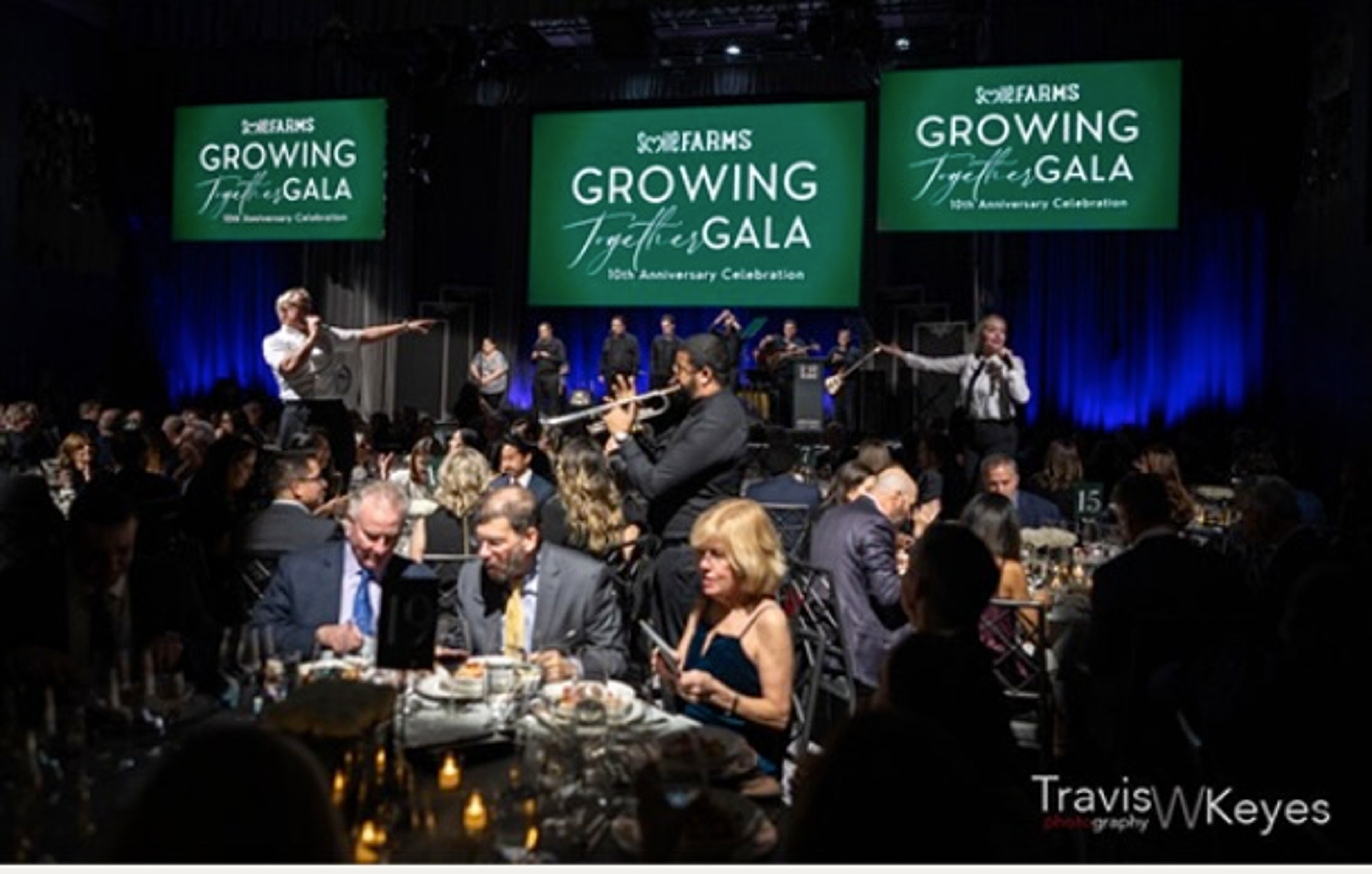
The 10th anniversary Smile Farms Growing Together Gala took place last month at the Ziegfeld Ballroom, and I’m grateful to everyone who joined us. It was an evening filled with joy, familiar faces, and a tremendous sense of purpose.
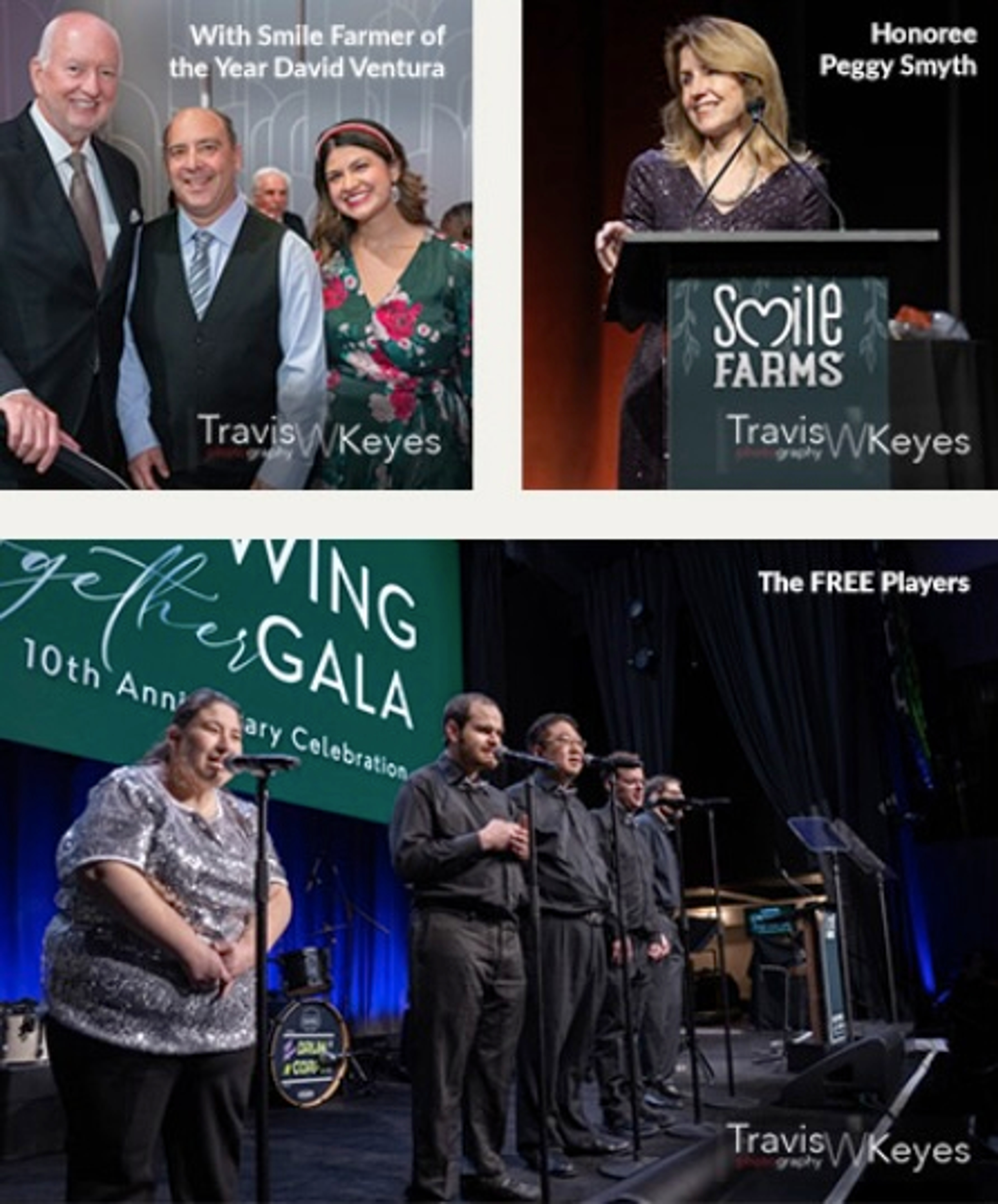
The evening opened with a performance by the FREE Players, a talented group of artists with disabilities whose enthusiasm set a wonderful tone. Their performance was a powerful reminder of what Smile Farms is all about: creating meaningful work and training opportunities for people with developmental disabilities. Through jobs in agriculture and hospitality, Smile Farms helps individuals build independence while strengthening the communities around them.
We also celebrated David Ventura, the 2025 Smile Farmer of the Year. David is one of the original members of the Smile Farms family, and his pride in his work lifts everyone around him. In fact, David got his start at IGHL, the services agency where the first Smile Farms campus took root. Later in the evening, we recognized Peggy Smyth, whose distinguished career includes senior leadership roles at National Grid US, Consolidated Edison, United Technologies, and 3M. Peggy’s lifelong commitment to inclusion began with her early volunteer work supporting people with disabilities, and her belief that everyone deserves the chance to contribute and thrive sits at the heart of the Smile Farms mission.
Additional performances throughout the night brought even more energy to a room already buzzing with generosity. And thanks to the extraordinary support of our community, Smile Farms will be able to create even more opportunities in the year ahead. If you’d like to learn more about how you can support Smile Farms, click here.
As we marked this 10-year milestone, I found myself thinking about how far we’ve come — and how much more we can grow. To everyone who joined us, supported from afar, or cheered us on: thank you. You help make this mission possible, and I’m grateful for each of you.
Explore Popular Celebrations Pulse Topics





AUTHOR
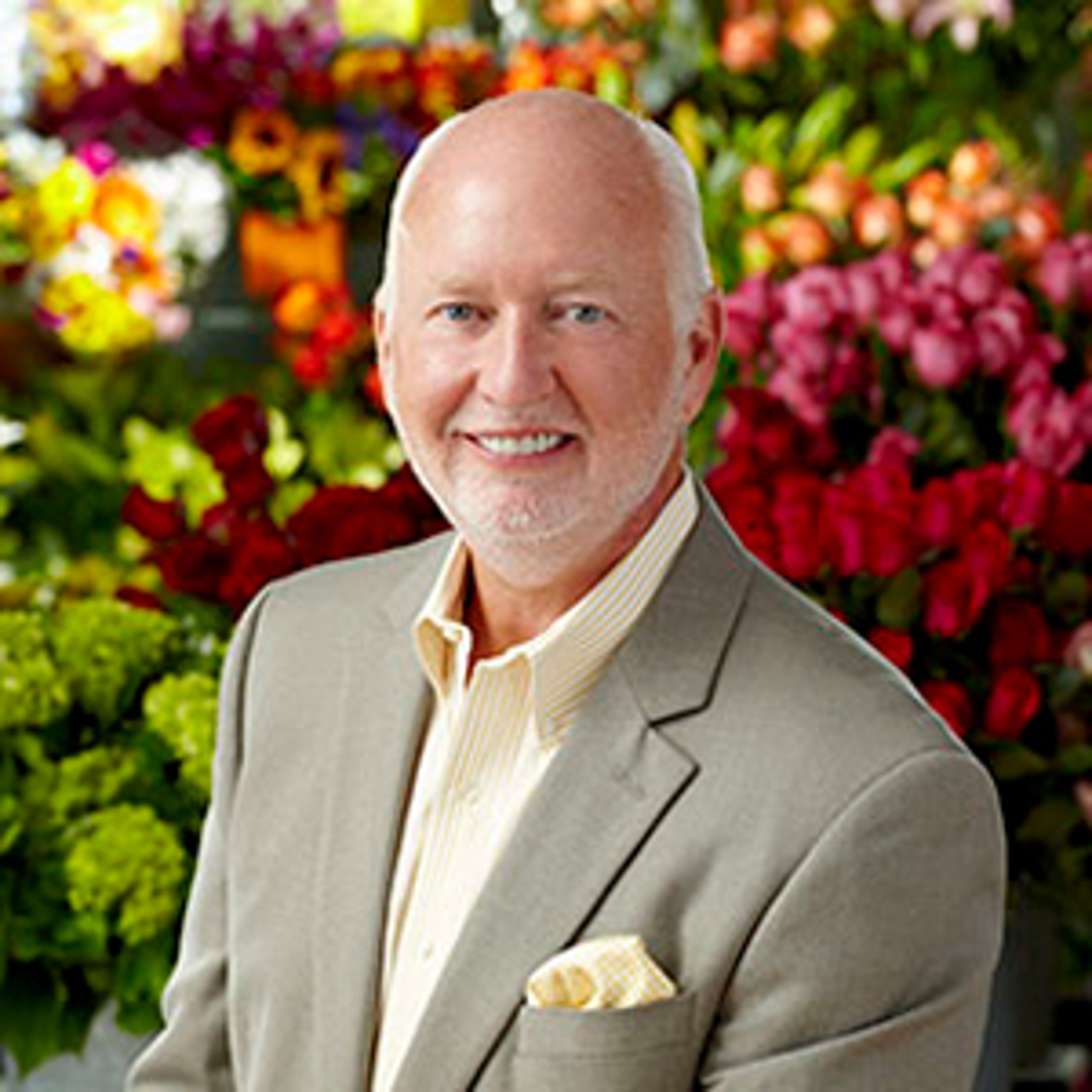
Jim McCann is the founder and chairman of 1-800-FLOWERS.COM, Inc. as well as a business leader, author, and philanthropist with a passion for helping people deliver smiles. Devoted to helping others, he also founded Smile Farms, a 501(c)3 organization that provides meaningful jobs in agricultural settings to young adults and adults with developmental disabilities.