




Once Upon a Time: The Power of a Personal Story
Why the stories we tell — and the ones we listen to — can bring us closer together
Published: Sep 27, 2026
When I started my company, public speaking requests began trickling in. At first, I dreaded them. I’d collect the facts and write out what I wanted to say, but the words on the page never sounded like me, and trying to memorize everything for a crowd only made it worse.
Years ago, a colleague suggested I stop thinking so much about the speech itself. What did I really want people to take away from it? Once I knew that, she said, I could think about the stories from my own life that helped bring the message to life.
The approach felt natural because I didn’t have to memorize a story I already knew. I could picture the people involved and remember how I felt and what I learned. Over time, I compiled a “story bank” to tap into whenever I needed to explain an idea or make a point.
I quickly realized I had stumbled onto something much bigger than a better way to give a speech. Stories help us explain ideas and make sense of our experiences, whether we’re speaking in public or having a conversation. They’re the glue in our relationships, allowing us to better understand one another and see where our lives intersect.

What makes a story?
Humans have been telling stories for as long as we’ve been able to communicate, passing experiences from one generation to the next. There’s a reason the habit has endured: Our brains look for patterns and connections, and stories hand those pieces to us already assembled, in a form we can follow and remember.
Fortunately, storytelling isn’t nearly as complicated as we sometimes make it sound. Go back to what you learned in school and you already have most of the ingredients: characters, a plot, and some kind of tension. Someone wants or needs something, something gets in the way, and the story moves forward as we wonder what happens next.
What matters is that something changes between the beginning and the end: a situation, a relationship, or simply the way someone understands what happened.
Once you start looking for those elements, you see them everywhere. Watch a great TED Talk. Listen to a lawyer make a closing argument or a judge explain a decision. Even when a friend tells you about an aggravating encounter at the grocery store, chances are you’ll hear characters, tension, and resolution.
We instinctively organize information this way because stories give facts context and meaning. That’s why a good story can stay with us long after the details and numbers have faded.
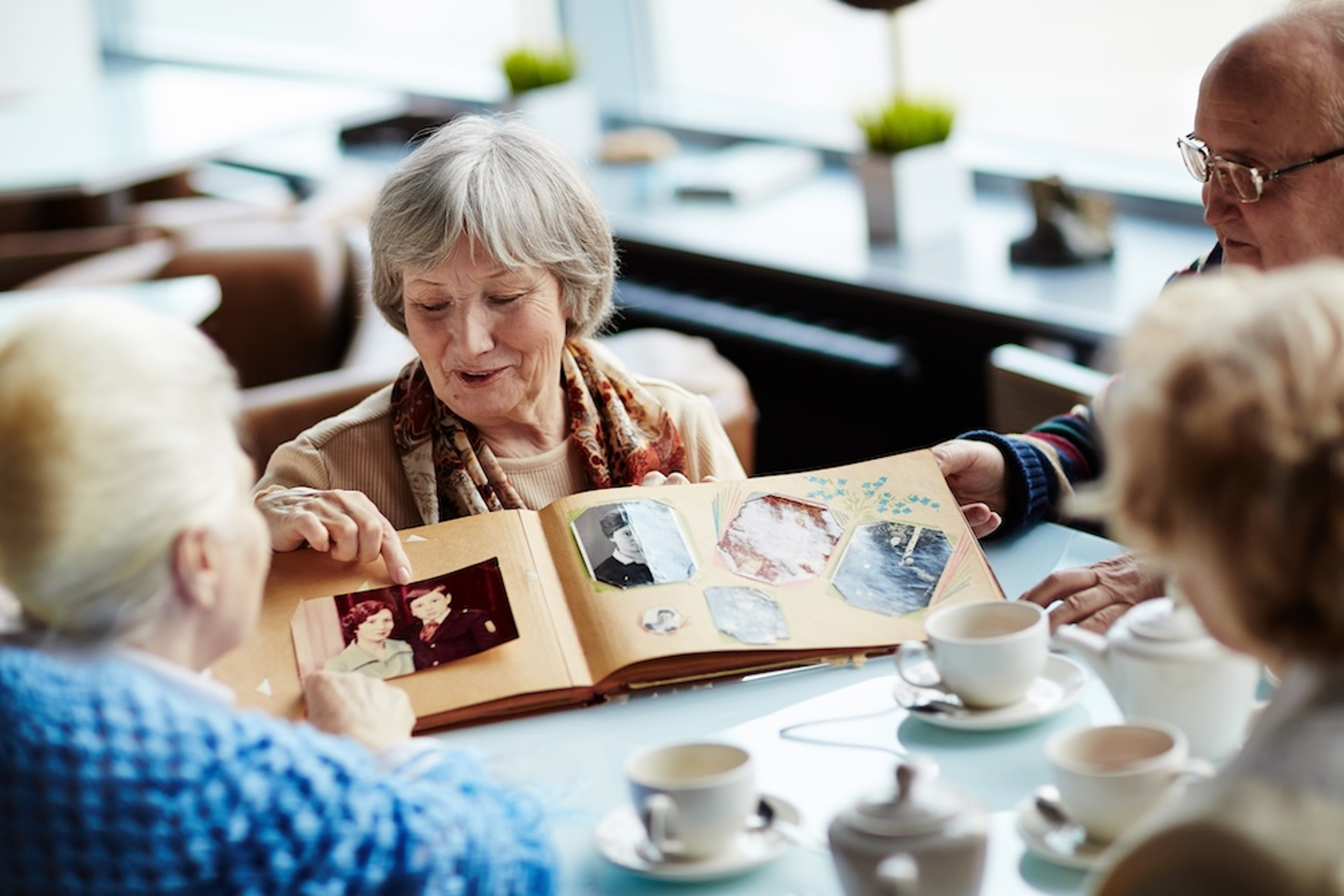
Stories connect us
I recently talked about all this with writer and strategist Joe Lazer, who calls storytelling a “cheat code” for human connection. He believes we’re all born storytellers, something you can see in the way children instinctively invent stories and use them to understand the world around them.
I’ve seen that firsthand this summer while driving two of my grandchildren to day camp. We have about 20 minutes together in the car, and before long comes the request: “Grandpa, tell us a story.” Some of their favorites are about my brother Kevin, who was born with a developmental disability, and what he was like growing up as one of the McCann kids.
Through those stories, they’re getting to know their uncle as a child while learning about people whose lives may be different from theirs and how a family rallies around someone it loves. They’re also discovering where they fit into a family story that began long before they arrived.
That’s what makes stories such a powerful form of connection. We can pass along an experience that happened decades ago to people who weren’t there, and somehow make it part of their story, too. In the process, we pass along the people, values, and experiences that tell us who we are.
Find the story
There’s something we can learn from the way children instinctively look for stories. That same curiosity can serve us well in everything from a chat with a neighbor or colleague to a job interview or speech.

We can draw on our own experiences to connect with others and listen for the stories they have to tell. Learning to recognize the elements of those stories can make us more thoughtful storytellers and more curious listeners.
A few weeks ago, I shared some ideas for having better conversations. Here’s another: Keep a few of your own stories handy and learn to listen for the story someone else is telling. Once you recognize where it’s heading, the next question often presents itself.
As we were taught in school, the heart of a story often lies between the lines. By bringing genuine curiosity to the narratives around us, we don’t just hear more of the story but build deeper connections with the people telling them.
All the best,
Jim
Explore Popular Celebrations Pulse Topics





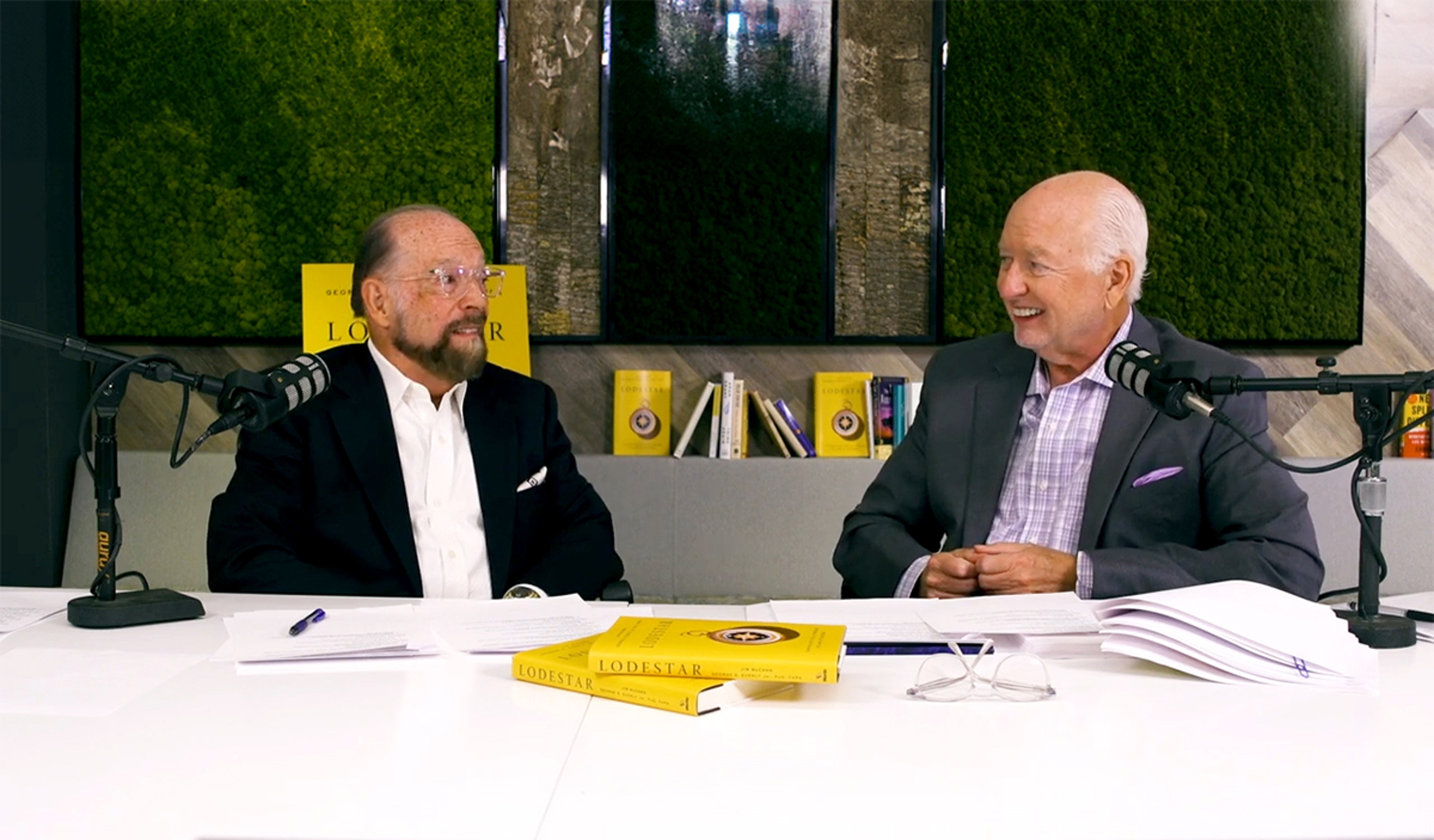
Written by 1-800-Flowers.com's Founder and Chairman, the Celebrations Pulse letters aim to engage with our community. By welcoming your ideas and sharing your stories, we want to help you strengthen your relationships with the most important people in your life.
AUTHOR

Jim McCann is the founder and chairman of 1-800-FLOWERS.COM, Inc. as well as a business leader, author, and philanthropist with a passion for helping people deliver smiles. Devoted to helping others, he also founded Smile Farms, a 501(c)3 organization that provides meaningful jobs in agricultural settings to young adults and adults with developmental disabilities.