


St. Patrick's Day Rituals: From Ireland to America - and Back
How Irish immigrants transformed a religious holiday into a vibrant American celebration — and how the tradition found its way back to Ireland.
Published: Mar 15, 2026
Written by our Founder and Chairman, the Celebrations Pulse letters aim to engage with our community. By welcoming your ideas and sharing your stories, we want to help you strengthen your relationships with the most important people in your life.
Starting in the 1820s, millions of Irish immigrants — including some named McCann — came to America in search of a better life. Many faced hardship and discrimination as they tried to build new lives in an unfamiliar and often unwelcoming place.
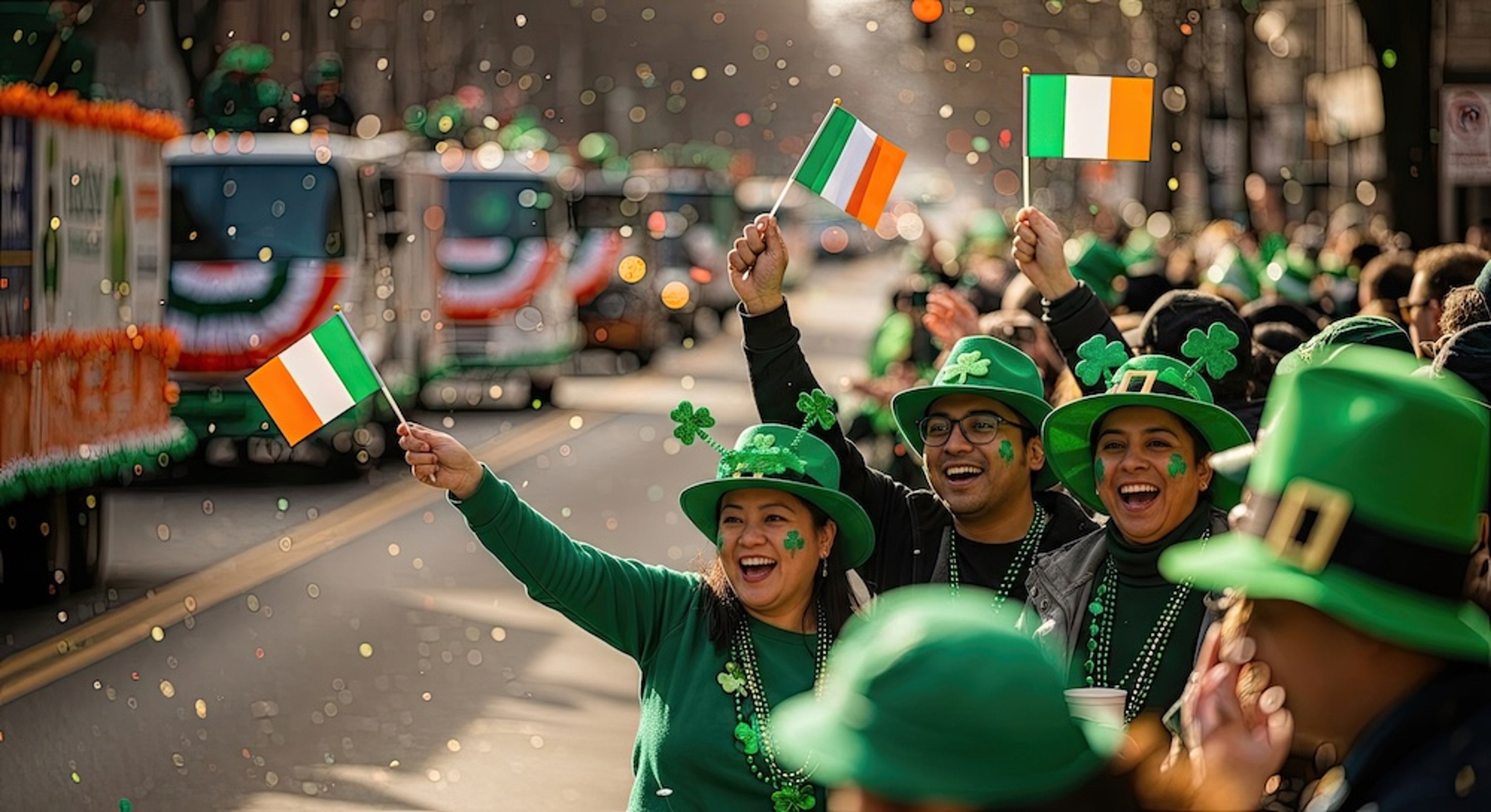
They took low-paying jobs and returned at night to crowded tenements. But every March 17, they marked the feast of Ireland’s patron saint with parades and gatherings that celebrated their heritage and made their presence known.
Over time, those immigrants became part of the fabric of America, and the rituals and traditions they brought spread as well. An annual expression of Irish identity grew into something shared and embraced more widely.
St. Patrick’s Day, celebrated on Tuesday this year, now involves millions of Americans gathering for parades, music, and small rituals. For one day each year, people everywhere claim a little Irish heritage. And if you have a name like McCann, you double down!
An Irish name in Queens
Growing up in Queens with my surname — Mac Cana in Gaelic, often translated as “wolf cub” or “young warrior” — I couldn’t help but feel pride in my Irish roots. At school, everyone got pinched on St. Patrick’s Day if they weren’t wearing green. At home, we gathered around the table for corned beef and cabbage.
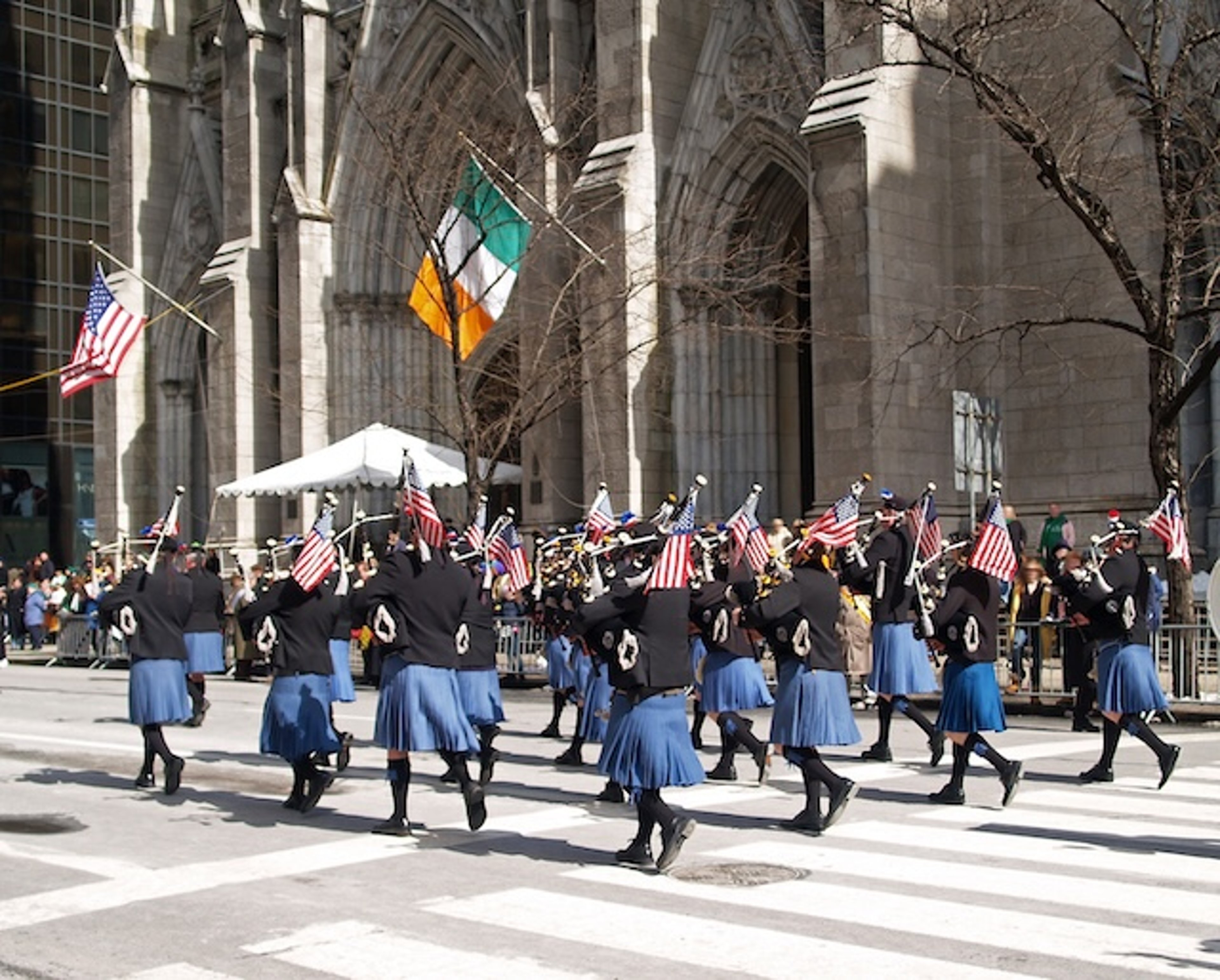
For many years, we’d hop on the subway and head into Manhattan to watch what had become the most famous St. Patrick’s Day parade in the world. Marching up Fifth Avenue, the parade was a showcase for the growing political and cultural influence of Irish Americans in New York and across the country.
Even now, as a dad and granddad, I try to bring my children and grandchildren into the mix. There’s never much resistance, as they take pride in their name and heritage, too. It also helps that Cheryl’s shamrock-shaped buttercream cookies appear in the weeks leading up to the big day.
At home, we still gather for corned beef and cabbage, along with my wife Marylou’s Irish soda bread. In a sign of how traditions evolve, she once forgot a key ingredient and accidentally made it even better.
St. Patrick's full-circle journey
Although my family has always celebrated St. Patrick’s Day, I didn’t deeply explore my Irish heritage until the 1990s, when I began reading Irish America magazine. It helped people like me fill in the historical gaps and better understand the journeys of our ancestors.
My interest — and perhaps a bit of natural Irish gregariousness — led me to connect with the publication’s founder, Patricia Harty. I’m lucky to count her as a friend, and I credit her with encouraging me to track down McCanns who still live on the Emerald Isle.

Along the way, she shared a surprise: In Ireland, St. Patrick’s Day was traditionally a quiet religious holiday. Families might attend church and mark the day with a simple meal of bacon or ham. The large-scale celebrations came later, shaped largely by Irish immigrants in the United States.
Today, the celebration has come full circle. Ireland now embraces the festivities with parades and gatherings of its own.
When you spend time in Ireland, it’s easy to see the spirit that's traveled so well across the Atlantic. The Irish are proud, sociable, and quick to appreciate good company. They may not have invented green beer, but they certainly know how to celebrate.
Celebrating the melting pot
Whether you’re raising a pint of green beer or pinching someone who isn't wearing green, keep in mind that these celebrations and rituals have deep roots in the journeys that shaped this country.
The rituals and traditions immigrants carry often begin as reminders of home. Over time, these customs evolve, connecting us to something larger than ourselves. Eventually, they become part of the culture where new lives are built.
St. Patrick’s Day reflects that journey — and how the traditions of immigrants enrich the country we all share.
Sláinte,
Jim
Explore Popular Celebrations Pulse Topics






AUTHOR

Jim McCann is the founder and chairman of 1-800-FLOWERS.COM, Inc. as well as a business leader, author, and philanthropist with a passion for helping people deliver smiles. Devoted to helping others, he also founded Smile Farms, a 501(c)3 organization that provides meaningful jobs in agricultural settings to young adults and adults with developmental disabilities.