



The Friendship Recession Is Real — Here’s How We Reverse It
In a time of growing loneliness, the simple act of reaching out can strengthen both lives and communities.
Published: Jul 26, 2026
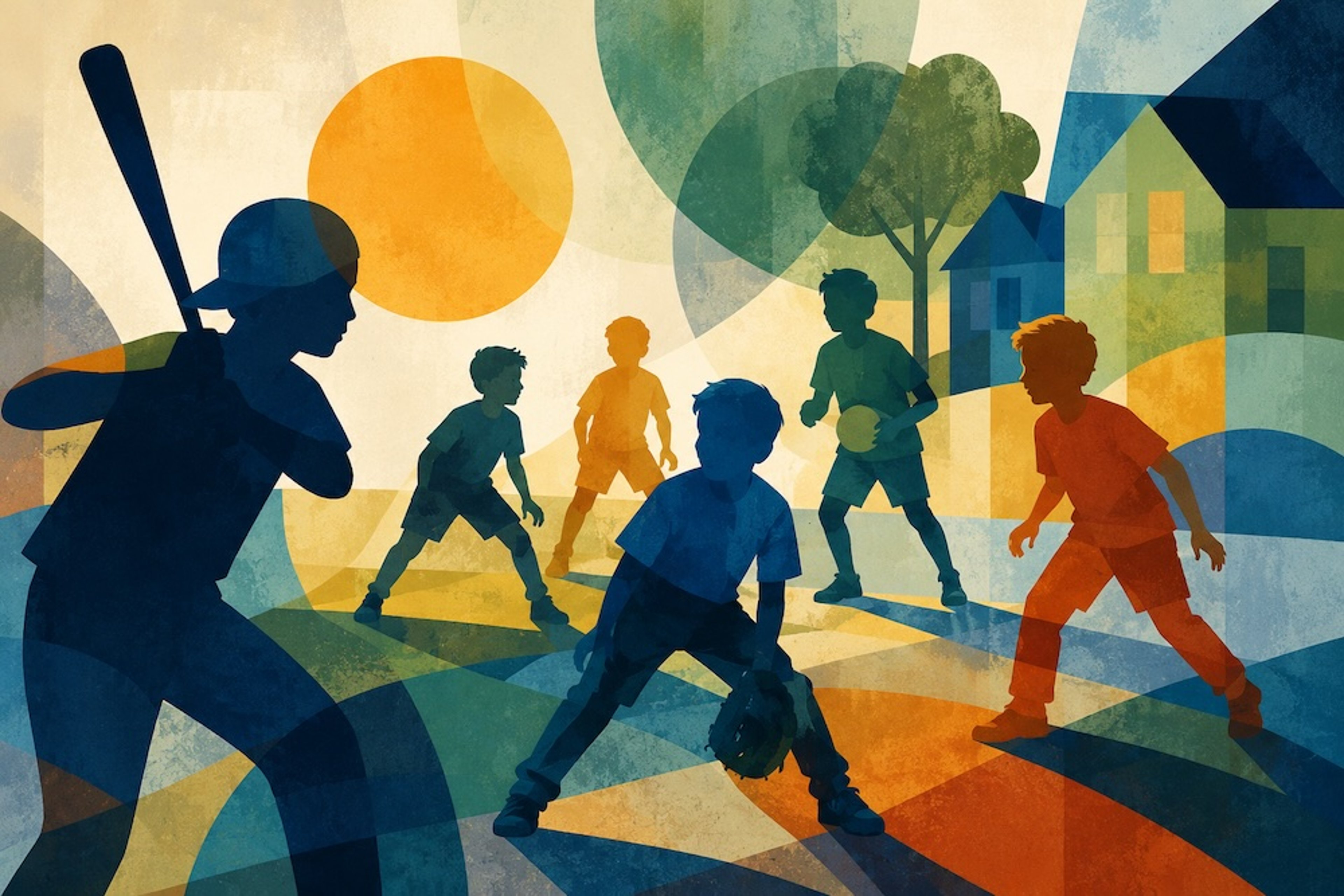
When I was a boy in Queens’ South Ozone Park, friendships came naturally. There were 100 of us in the neighborhood, and from breakfast until the streetlights came on, we were outside, playing baseball, kickball, and just about every variation of “ball” you could imagine.
We climbed fences during games of hide-and-seek, inventing rules as we went and settling disagreements ourselves. We learned to welcome new kids, work through an argument, celebrate each other’s successes, and laugh at ourselves. We were learning how to make friends.
As the years passed, building and maintaining friendships became harder. Amid careers and growing families, childhood friends turned into people we “keep meaning to call.” Worse, making new friends became more intimidating as we built guardrails around our social lives.
That’s a shame, because friendships grow even more valuable as we get older. Healthier, happier lives depend on having people with whom we can create memories and share both our victories and our defeats. Those relationships also ripple outward, shaping the kind of citizens we become.
A day to celebrate friendship
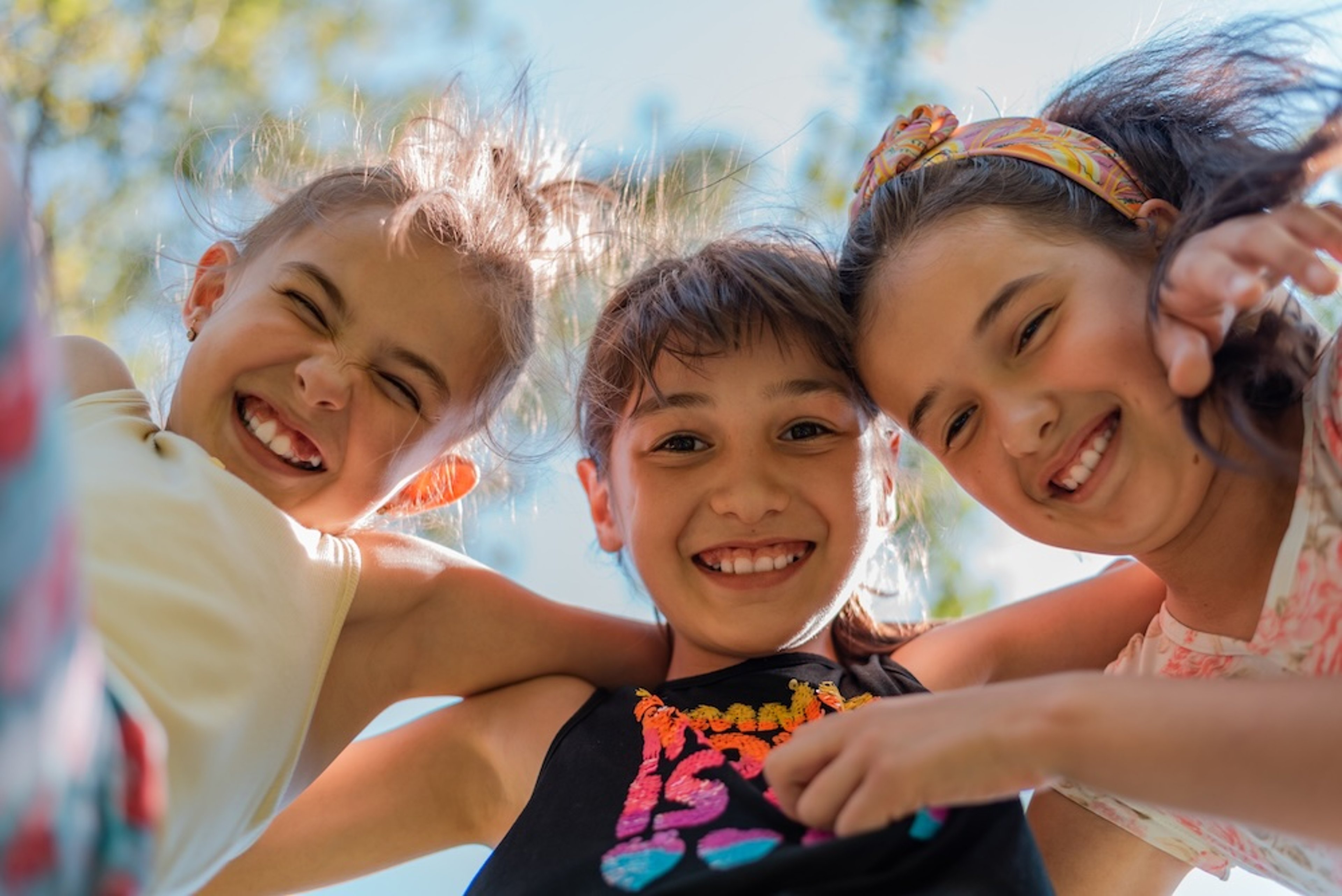
That broader impact may be one reason the United Nations established an International Day of Friendship, observed every July 30. At first, I thought it was unusual. The UN usually focuses on issues like peace and public health. Friendship seems much more personal than global.
It makes sense when you think about it. Every community begins with people getting to know each other. Before neighbors help each other, they first become neighbors. Before people trust an institution, they first learn to trust another person. The habits that strengthen friendships — listening, generosity, empathy, and forgiveness — also help communities flourish.
The UN believes friendships among people, cultures, and nations encourage dialogue and strengthen communities. Those are ambitious goals, but they begin with something wonderfully ordinary: two people choosing to know one another.
Truth be told, I’ve always thought friendship deserves more than a day. At 1-800-Flowers.com, we’ve long treated July as Friendship Month because the relationships we build are worth celebrating all month long — and beyond.
After all, strong communities grow one relationship at a time. Each of us has the power to make that happen.

Ending the friendship recession
This year’s International Day of Friendship arrives at a time when experts believe we’re experiencing a friendship recession. Most people I know would welcome another close friend into their lives — and the research suggests they're not alone.
Americans report having fewer close friends than they once did, and loneliness has become one of the defining social challenges of our time. One survey shows that about 12% of adults report having no close friends, compared with just 3% 30 years ago. The problem is even more pronounced among certain groups, especially men and older adults.
As the UN says, that has huge implications not just for our personal happiness but also for the well-being of our communities.
If you find yourself lacking friends, it’s not too late to turn things around, no matter how old you are. It starts with returning to the mindset we had as children: spending time with people who share our interests, whether on the ballfield, in the neighborhood, or at school.
Those opportunities don’t disappear after childhood. They just move to different places — through volunteer work, community organizations, places of worship, clubs, hobbies, and the workplace. Anywhere people gather around a shared interest, friendships have a chance to grow.
Friendships also deepen when we’re willing to move beyond small talk. Share what’s exciting you, what’s challenging you, or what you’ve been learning lately. Accept an invitation when one comes your way. Those moments create the experiences and conversations that turn acquaintances into friends.
Be a convener
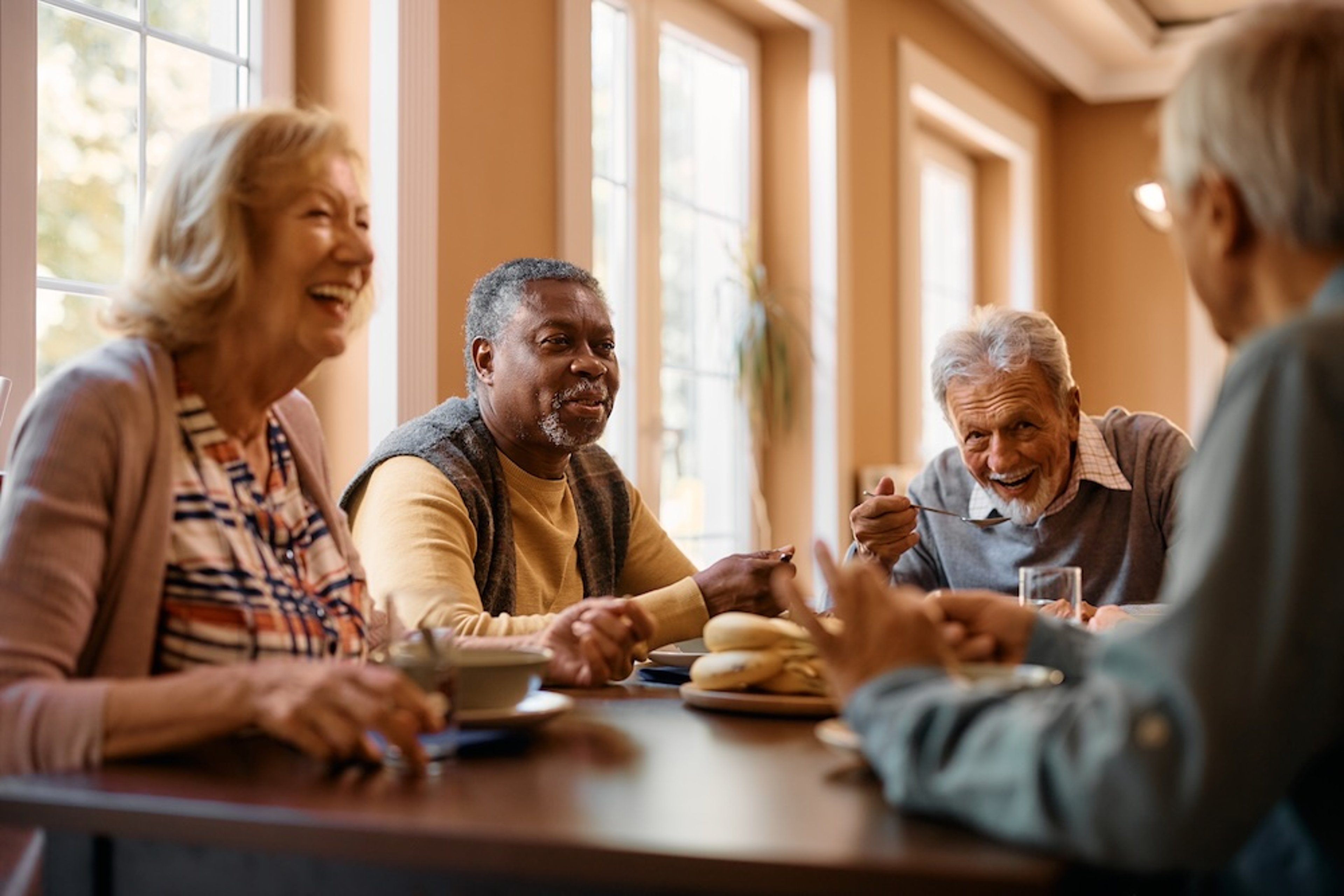
Reversing a friendship recession takes one person willing to send the first text or pick up the phone.
A few years ago, one of the men in my summer golf group did exactly that, starting a group chat for about a dozen of us to organize tee times. Today it's where we celebrate birthdays and new grandchildren, check in after surgeries, laugh together, and stay connected long after golf season ends. Nobody asked him to do it. He simply decided our friendships were worth maintaining.
It’s the modern version of knocking on a friend’s door and asking, “Want to come outside?”
As we celebrate friendship this month, think about the person you've been meaning to call, the neighbor you've wanted to know better, or the old friend you've lost touch with. Then send the text or make the call to extend an invitation. Use your power.
You may discover they’re waiting for exactly the same thing.
All the best,
Jim
Explore Popular Celebrations Pulse Topics





Written by 1-800-Flowers.com Founder and Chairman, the Celebrations Pulse letters aim to engage with our community. By welcoming your ideas and sharing your stories, we want to help you strengthen your relationships with the most important people in your life.
AUTHOR

Jim McCann is the founder and chairman of 1-800-FLOWERS.COM, Inc. as well as a business leader, author, and philanthropist with a passion for helping people deliver smiles. Devoted to helping others, he also founded Smile Farms, a 501(c)3 organization that provides meaningful jobs in agricultural settings to young adults and adults with developmental disabilities.