Why Reading Books Matters More Than Ever
How reading fiction can deepen empathy and strengthen the relationships that shape our lives.
Published: Nov 08, 2026
In my World Lit 101 class at John Jay College, the professor gave us a list of books to choose from. I picked up Anna Karenina and scanned the back cover. Adultery! Forbidden love! Scandal! My 18-year-old self figured there had to be some spicy parts. Naturally, I was sold.
After poring over 1,000 or so pages, I can report two things: A) Leo Tolstoy had a lot of great stories to tell, and B) the book was lukewarm on the spice factor. More than 50 years later, though, I can still remember much of what I read.
Tolstoy portrayed a society undergoing enormous change, where expectations about marriage and duty often collided with people’s desires. I can still picture Levin swinging a scythe alongside the peasants and Anna mingling at soirées.
But the real revelation was getting inside the characters’ heads. The problems they wrestled with in 19th-century Russia — marriage and money among them — sounded remarkably like the conversations I’d hear around kitchen tables in 20th-century Long Island.
Anna’s story ended badly, but the book gave me something I hadn’t expected: a chance to understand how people see the world, navigate their relationships, and sometimes misjudge or forgive one another. I’m still drawing lessons from those characters today.
What happens when we read less?
These days, you hear a lot about how we’re entering a “post-literate” age, often in the very tweets and TikTok videos that are supposedly helping drive the trend. In high schools and colleges, some teachers are scaling back assignments that require students to read entire books.
One study found that the share of Americans who read for pleasure on a typical day declined by more than 40% between 2004 and 2023. Meanwhile, our attention is increasingly divided among social media feeds, short videos, and the constant stream of notifications on our phones.
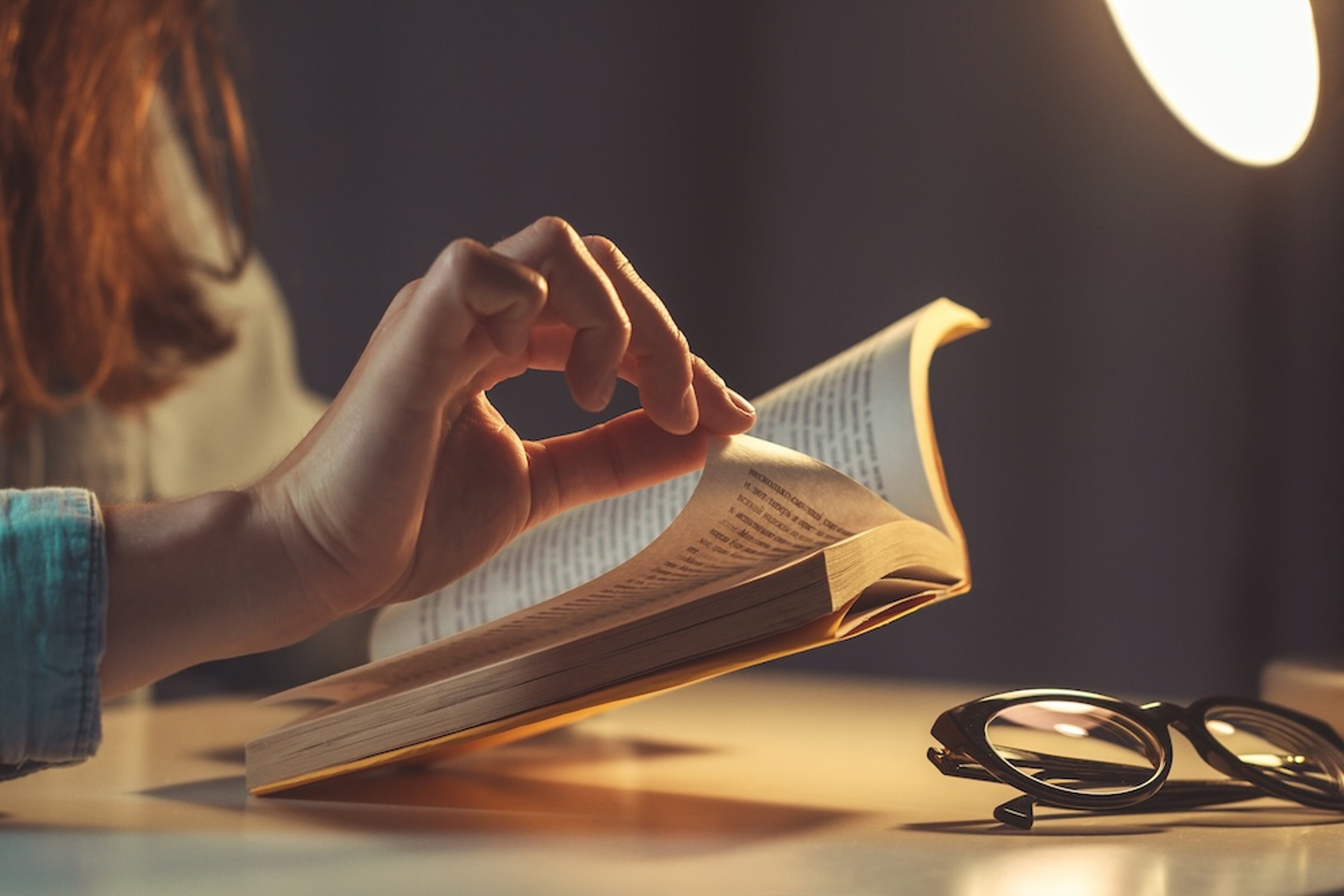
I wonder what happens when we lose the habit of spending hours with a book. Reading asks us to slow down and follow a story as it unfolds. It gives us time to consider unfamiliar ideas and perspectives that might challenge our own.
Could losing that experience affect more than our ability to concentrate? Could it also change how we understand and relate to other people?
Is there one that changed the way you see the world, helped you through a difficult time, or inspired you to make an important decision? Maybe it’s a novel you read decades ago that you still think about today. I’d love to hear about it! Share the title and tell me why it made such an impression on you. I’ll feature some of your stories in an upcoming Celebrations Pulse.
How stories shape our relationships
A recent study from Ohio State University offers an intriguing clue: Researchers found a connection between reading fiction and our willingness to forgive people who have wronged us. The reason may have something to do with what goes on inside a character’s head.
In experiments involving more than 1,500 participants, researchers explored how readers responded to a character who had wronged someone. Those who were allowed inside the character’s head were more willing to forgive him, especially when his thoughts revealed real remorse.
Even more intriguing, readers who were more forgiving toward the fictional character also reported being more forgiving of people who had wronged them in real life. We’re privy to thoughts that would ordinarily remain hidden, and we begin to understand why characters make certain decisions, even when we disagree with them.

That’s what Tolstoy gave me when I read Anna Karenina. His characters lived in a world different from mine, yet I could recognize their feelings and struggles.
Though we rarely know the full story behind another person’s actions in real life, a good novel reminds us how much we might be missing. By showing us how people work through relationships, it can offer a roadmap for navigating our own.
Making time for a good book
At this point, I’m reminding myself of my grandmother, who used to warn me about watching too much TV after school. Now I’m the one worrying about how much time we spend staring at screens. I’m hardly immune; I sometimes find myself reaching for my phone in every spare moment.
That makes me wonder how many books I’ve read since that World Lit class long ago — and how many I’ve missed. How many stories might have changed my thinking or introduced me to someone I’d never otherwise have understood? I’ll never know, but I can do something about the books I haven’t read yet.
In fact, we can all do this: Find one you’ve been meaning to read and put your phone in another room to give the story your attention. In those pages, you’ll likely encounter an idea that changes how you see the world or a character who helps you better understand someone in your own life.
All the best,

Explore Popular Celebrations Pulse Topics



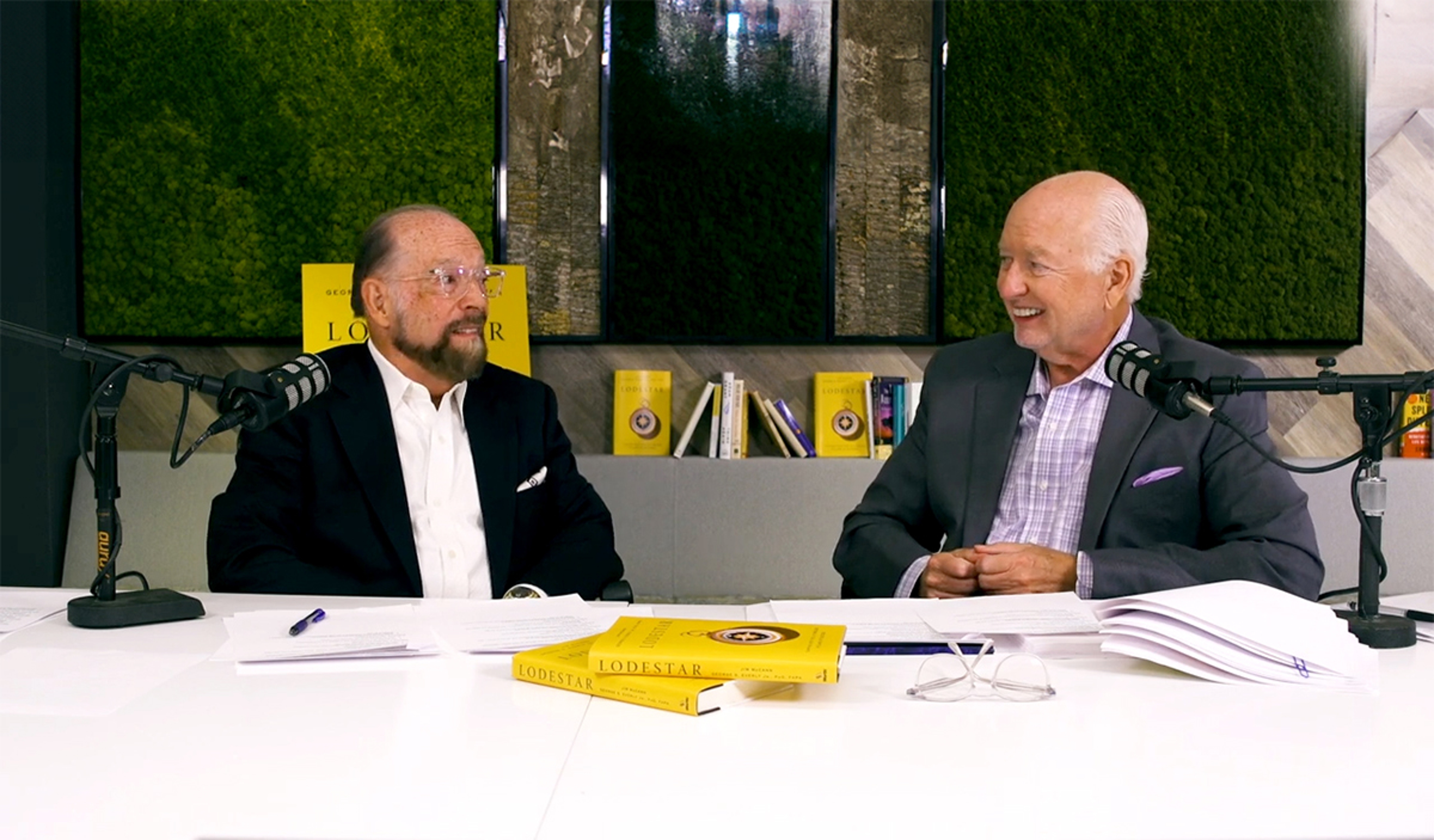
Written by 1-800-Flowers.com Founder and Chairman, the Celebrations Pulse letters aim to engage with our community. By welcoming your ideas and sharing your stories, we want to help you strengthen your relationships with the most important people in your life.
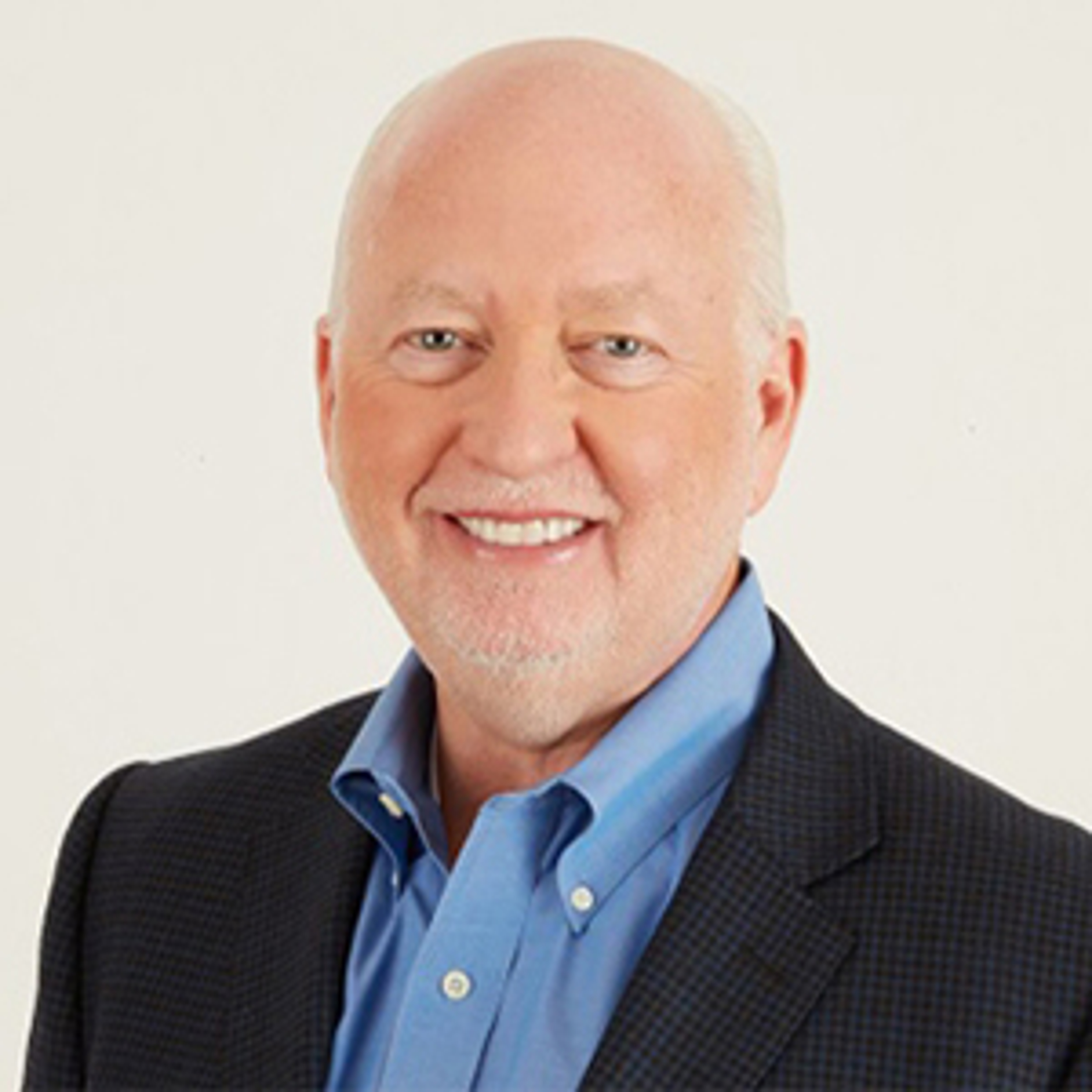
AUTHOR
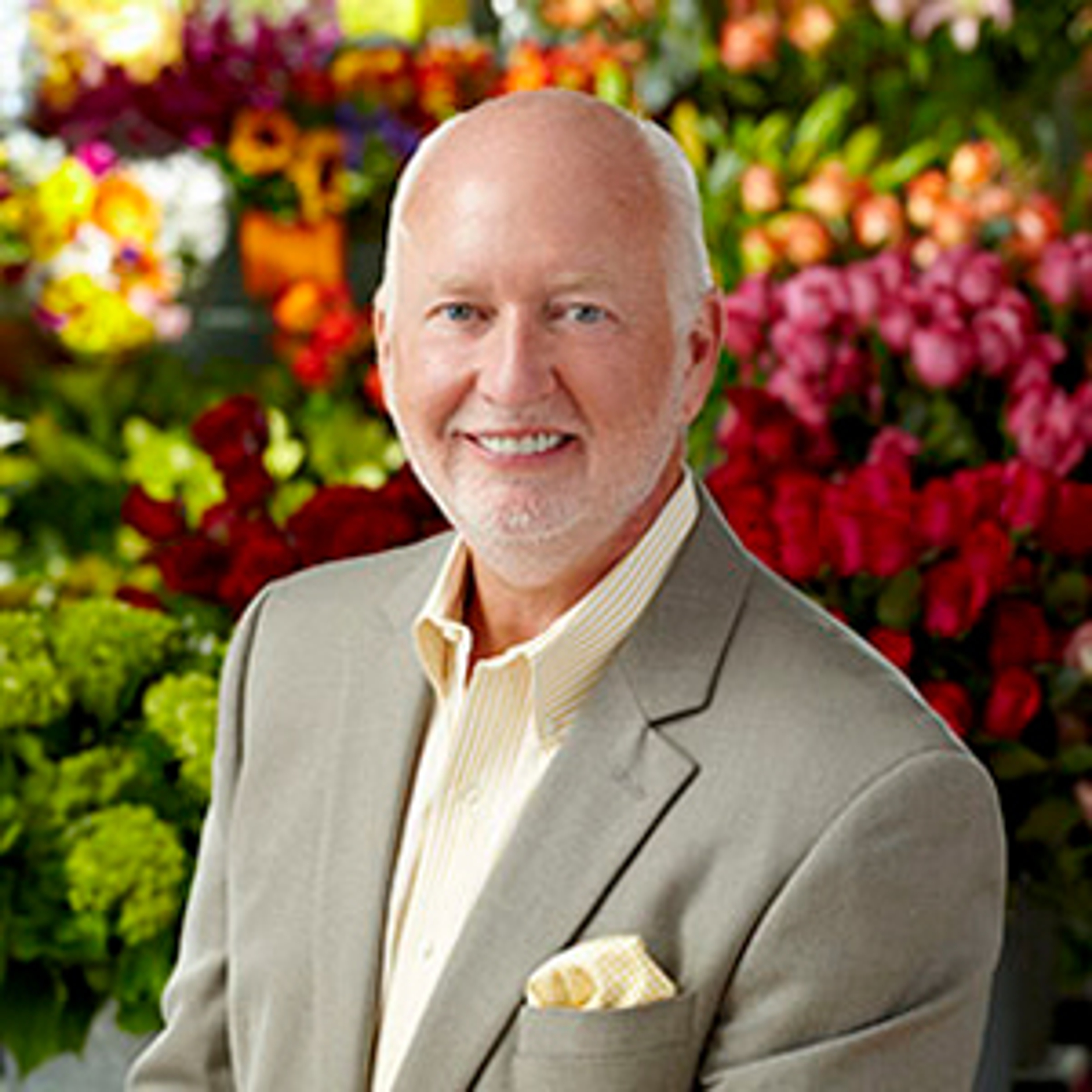
Jim McCann is the founder and chairman of 1-800-FLOWERS.COM, Inc. as well as a business leader, author, and philanthropist with a passion for helping people deliver smiles. Devoted to helping others, he also founded Smile Farms, a 501(c)3 organization that provides meaningful jobs in agricultural settings to young adults and adults with developmental disabilities.