


Back-to-School Lessons for the Rest of Us
How curiosity, structure, and a willingness to be a beginner can help us keep learning at any age.
Published: Aug 30, 2026
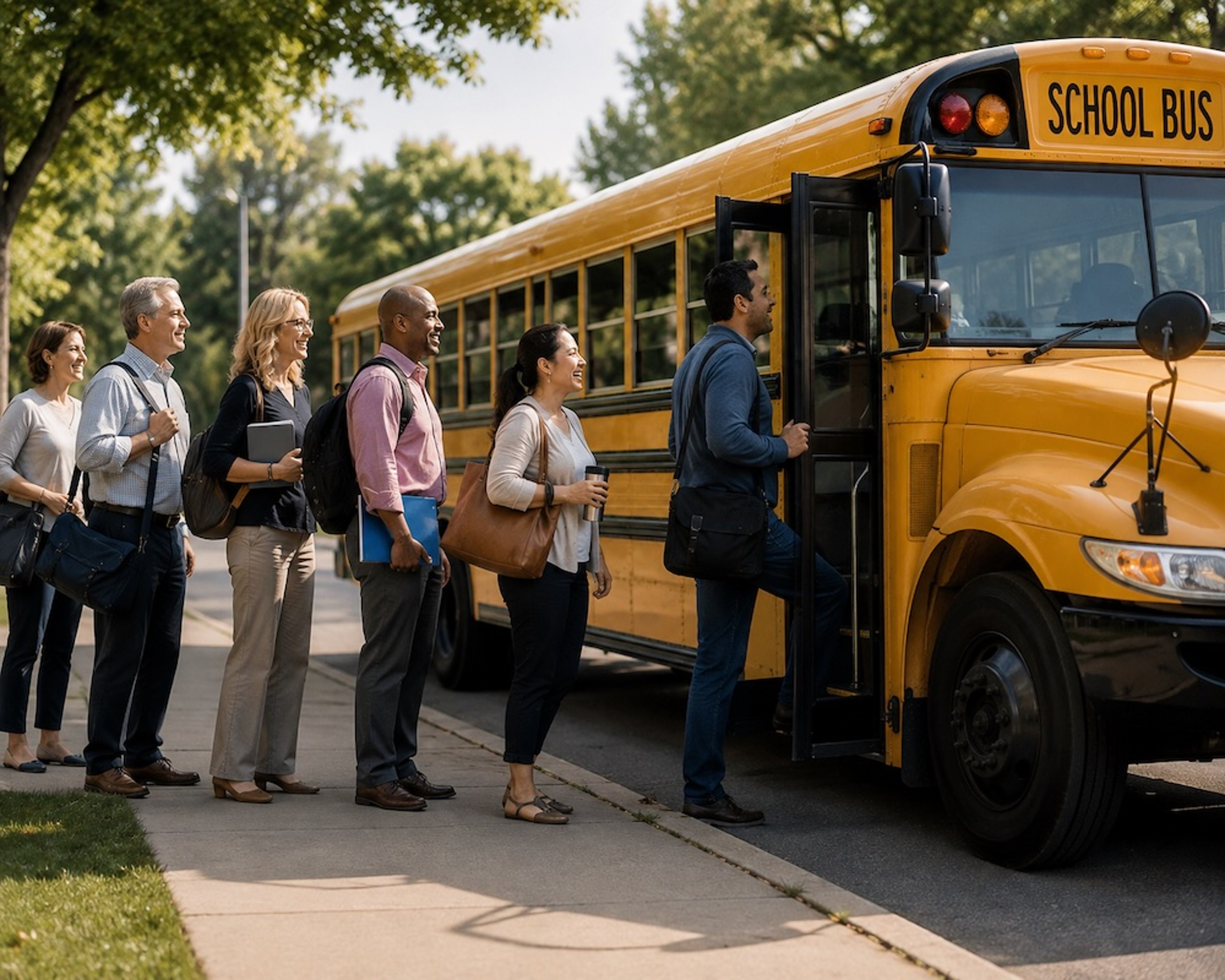
Across the country, millions of kids are heading back to school, where they’ll meet new teachers, tackle unfamiliar subjects, learn new skills, reconnect with friends, and — if everything goes according to plan — know more by June than they do today.
We watch them repeat this cycle year after year until, diplomas in hand, they step out into the real world. Many assume their days of hitting the books are over. Or are they?
I’ve always been a big believer in continuous learning, the idea that education doesn’t stop at graduation. This approach is about more than picking up technical skills and adding lines to your résumé. It means staying curious, hunting for fresh ideas, and growing throughout our lives.
In fact, I believe continuous learning is more important today than ever. Technology is advancing at a breakneck pace, and the way we work and live is constantly evolving. The skills that got us this far aren’t necessarily the ones we’ll need to take us where we’re going.
Whether we realize it or not, we’re all finding our way back into learning mode. Maybe it’s time to take a few lessons from the kids, no classroom required.
New approaches to learning
My grandkids offer a window into how much learning has changed. When they want to figure out how to do something, they turn to YouTube and find someone to show them how. Their instinct is to find a tool that can help them teach themselves.
Now, artificial intelligence is taking that idea even further. One day, when Marylou and I were babysitting our grandkids, we watched as one of them used ChatGPT to develop a business plan.

My grandkids, like many others in their generation, turn to technology as naturally as we once turned to a library card catalog. When they don’t know something, they ask questions and start figuring it out. Unlike the books we grew up with, today’s tools can answer back.
Whether we’re 8 or 80, we all have access to the same tools and information. The opportunity is to approach them with the same curiosity our children and grandkids bring to learning: When we don’t know something, ask a question, try something new, and see what we can learn.
Borrow from the back-to-school playbook
Learning something new can be uncomfortable, especially when it puts us back in the unfamiliar position of being a beginner. That’s why drawing on some of the familiar emotions and rituals of back-to-school season can be useful, no matter how old we are or what we’re trying to learn.
Start with that mix of nerves and excitement. Kids feel it when they walk into a new classroom; adults feel it when we step into something unfamiliar. A little discomfort often means we’re stretching ourselves.
Then there’s the schedule. Kids have learning built into their days, while adults have to make room for it. If you want to learn a language, find 15 minutes a day to practice. If you’re trying to understand AI, spend some time experimenting. Put that time on your calendar to protect it.
Don’t be afraid to ask basic questions, either. Kids expect there will be things they don’t understand. As adults, we sometimes become less comfortable admitting what we don’t know. Ask anyway. Keep seeking out people who know things you don’t, including friends, colleagues, mentors, experts, and even your grandkids.
You may not need a new backpack or a freshly sharpened No. 2 pencil, but curiosity, structure, and a willingness to start learning still come in handy.

An assignment
More than a century ago, the great educator John Dewey wrote that education is “a process of living and not a preparation for future living.” I like that idea. Education isn’t something we complete before getting on with our lives — it’s part of living a complete life.
One of the best things about continuing to learn as we get older is that we get to choose the curriculum, whether that means something that helps at work or something that simply satisfies our curiosity.
So here’s an assignment: Pick one thing you don’t know but would like to learn, and find a way to get started — an app, a book, or a person who already knows how. Then follow your curiosity and see where it takes you.
There won’t be a test at the end. If you know a little more tomorrow than you do today, I’d call that a passing grade.
All the best,
Jim
Explore Popular Celebrations Pulse Topics



AUTHOR

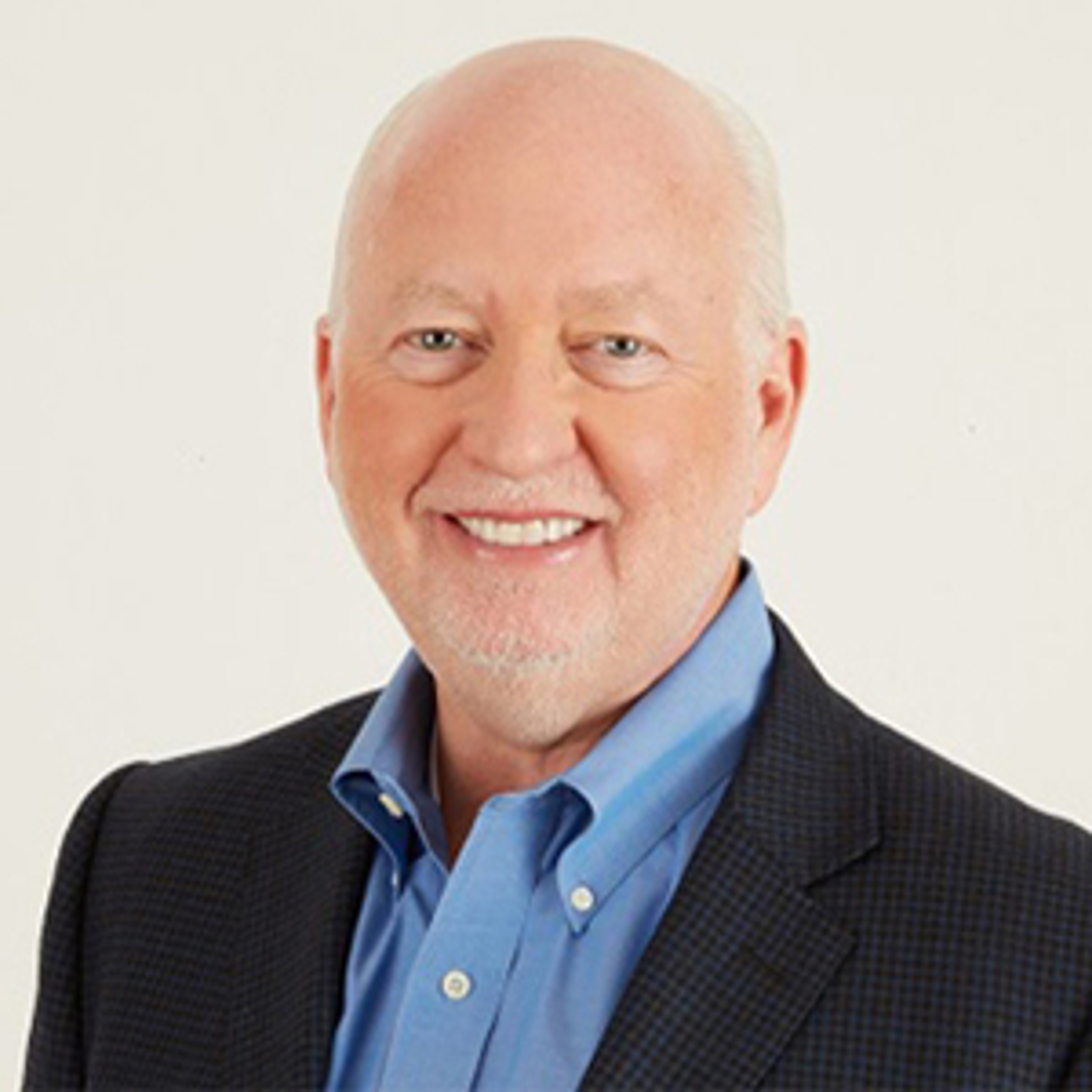
Jim McCann is the founder and chairman of 1-800-FLOWERS.COM, Inc. as well as a business leader, author, and philanthropist with a passion for helping people deliver smiles. Devoted to helping others, he also founded Smile Farms, a 501(c)3 organization that provides meaningful jobs in agricultural settings to young adults and adults with developmental disabilities.