



Pursuing Happiness: The Pillars of a Better Life
Why happiness isn’t a feeling we chase, but a practice shaped by our choices, habits, and relationships
Published: Jan 18, 2026
Written by our Founder and Chairman, the Celebrations Pulse letters aim to engage with our community. By welcoming your ideas and sharing your stories, we want to help you strengthen your relationships with the most important people in your life.
We all want to be happy, but if you were asked to define what happiness actually is, where would you begin? Sure, it’s something we aim for, but its nature is hard to put into words. Is happiness just a passing feeling, or is it something deeper and more sustainable?
It gets even more complicated when we think about how to achieve happiness. We often tell ourselves we’ll be happy once we reach a certain salary or title. Yet over the years, I’ve met many people who have everything and still seem very unhappy.
These ambiguities sparked my curiosity. I started reading, asking questions, and eventually found myself chatting with Harvard professor and behavioral scientist Arthur Brooks, a prolific author who studies the science of happiness. He says most of us are thinking about it the wrong way.
His conclusion: Happiness isn’t a fleeting feeling. Feelings come and go, but happiness is more durable, shaped by the habits we form and the choices we make. It’s a direction we live in, not a place we reach. Importantly, it’s a skill that can grow stronger with practice.
A deeper understanding
Why do so many of us struggle to achieve happiness? Arthur says it’s because Mother Nature steers us in the wrong direction. Her only concern is that we live long enough to pass on our genes. She doesn’t care if we’re happy along the way.
As a result, our instincts often push us toward short-term rewards that promise status and security. Those things can feel good in the moment, but that feeling doesn’t persist or lead to long-lasting happiness.
This helps explain why so many people end up chasing things like money that don’t deliver what they expect. As Arthur puts it, happiness doesn’t come from pleasure alone. It emerges from repeated patterns of behavior that support a stable and meaningful life.
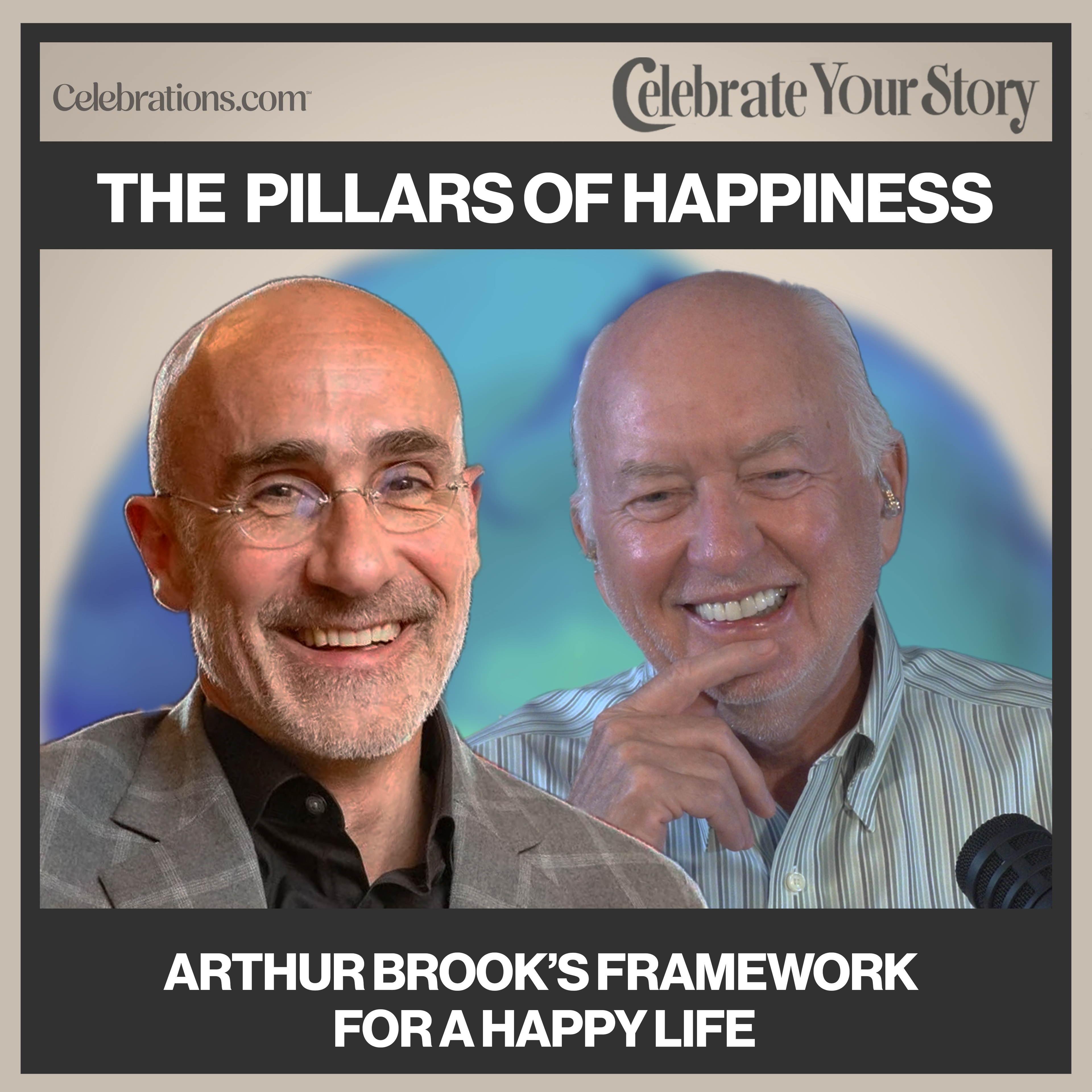
Arthur explains that money supports happiness not on its own, but when it’s intentionally used to strengthen relationships, whether through shared experiences, generosity, time spent together, or saving toward a future that includes others.
In other words, when money is used to create moments of connection — to say “I’m thinking of you” or “you matter to me” — it deepens relationships and boosts happiness.
I’ve seen this play out in countless ways over 50 years. Gifts like flowers invite people to let someone else know they’re being thought of. They create a moment of connection that lasts well beyond the exchange itself.
The four pillars of happiness
Arthur outlines a framework for building a happy life. He describes it as the four pillars of happiness: faith or a guiding life philosophy, family, friendship, and meaningful work. When each is given the time and care they deserve, they form a strong foundation for lasting happiness.
- Faith or life philosophy starts with taking time to step back and place your life in a larger context. That might mean prayer, meditation, journaling, or time in nature. People who regularly reflect on purpose tend to handle stress and uncertainty with greater resilience, Arthur says.
- Family is strengthened through consistency, like with regular check-ins, meals together, and showing up for important moments even when it’s inconvenient. Research shows that small, repeated investments in family relationships do far more for long-term happiness than occasional, dramatic efforts.
- Friendship requires intention. It grows through reaching out, following up, and making space for experiences. Arthur emphasizes choosing connection over convenience and prioritizing a few deep friendships over many surface-level ones.
- Meaningful work comes from focusing less on status and more on contribution. That might mean finding ways to serve others through your job, mentoring someone, volunteering, or using your skills creatively outside of work.
Happiness is a direction we head toward, not a destination. It’s built over time, through choices that favor purpose, service, and connection.

A message worth repeating
Arthur is a living example of happiness as something you practice. He’s devoted his career to understanding what lifts people up. His books, travel, teaching, and talks all help people build stronger bonds with the people who matter most.
Everything he describes leads to the choices we make in our relationships. We can choose to serve ourselves or other people. If you want to be happy, choose the latter.
I’ve found myself returning to his ideas repeatedly, testing them against my own decisions and sharing them with family, friends, and colleagues. Now that I’ve shared them with you, please let me know what you think.
All the best,
Jim
Explore Popular Celebrations Pulse Topics






AUTHOR

Jim McCann is the founder and chairman of 1-800-FLOWERS.COM, Inc. as well as a business leader, author, and philanthropist with a passion for helping people deliver smiles. Devoted to helping others, he also founded Smile Farms, a 501(c)3 organization that provides meaningful jobs in agricultural settings to young adults and adults with developmental disabilities.