


Fall Plant Care: Tips for Thriving House Plants
As the seasons change, it's important to adjust your plant care routine to help your green friends thrive.
Published: Oct 23, 2025 | Modified: Sep 15, 2026
As the seasons change, it's important to adjust your plant care routine to help your green friends thrive. Fall is a particularly important time for plant care, as the days get shorter and cooler, and the weather can be unpredictable. Here are some tips to help you care for your indoor and outdoor plants during the fall season!
Here's the short version of what changes in fall
- Check the soil before you water, since slower growth usually means your plants need less
- Give plants as much usable light as you can as the days get shorter
- Keep temperature and humidity steady, and move plants away from cold glass, drafty doors, and heating vents
- Inspect outdoor and patio plants closely before you bring them inside
- Protect outdoor plants based on the first-frost forecast and each plant's cold hardiness
Light
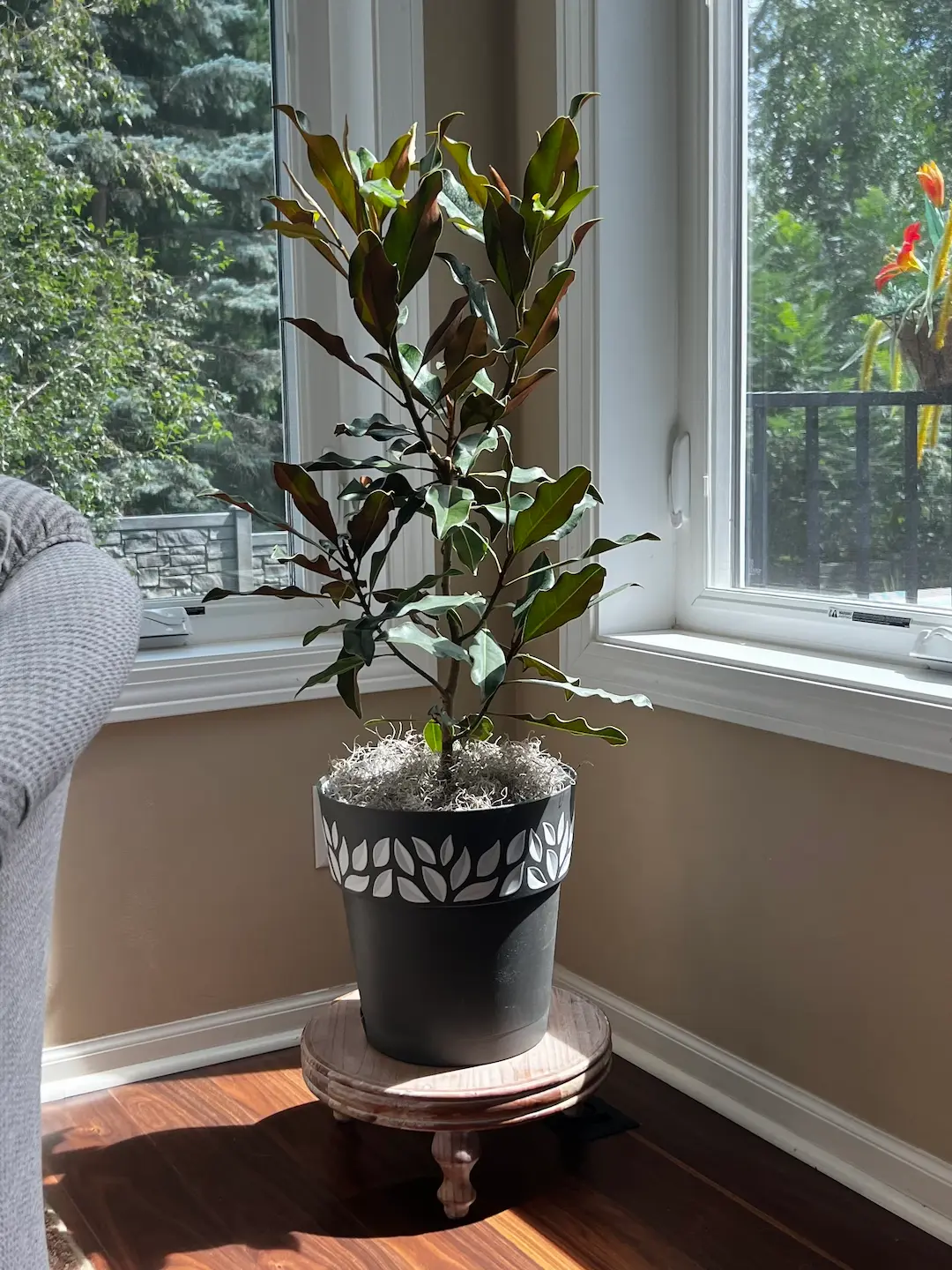
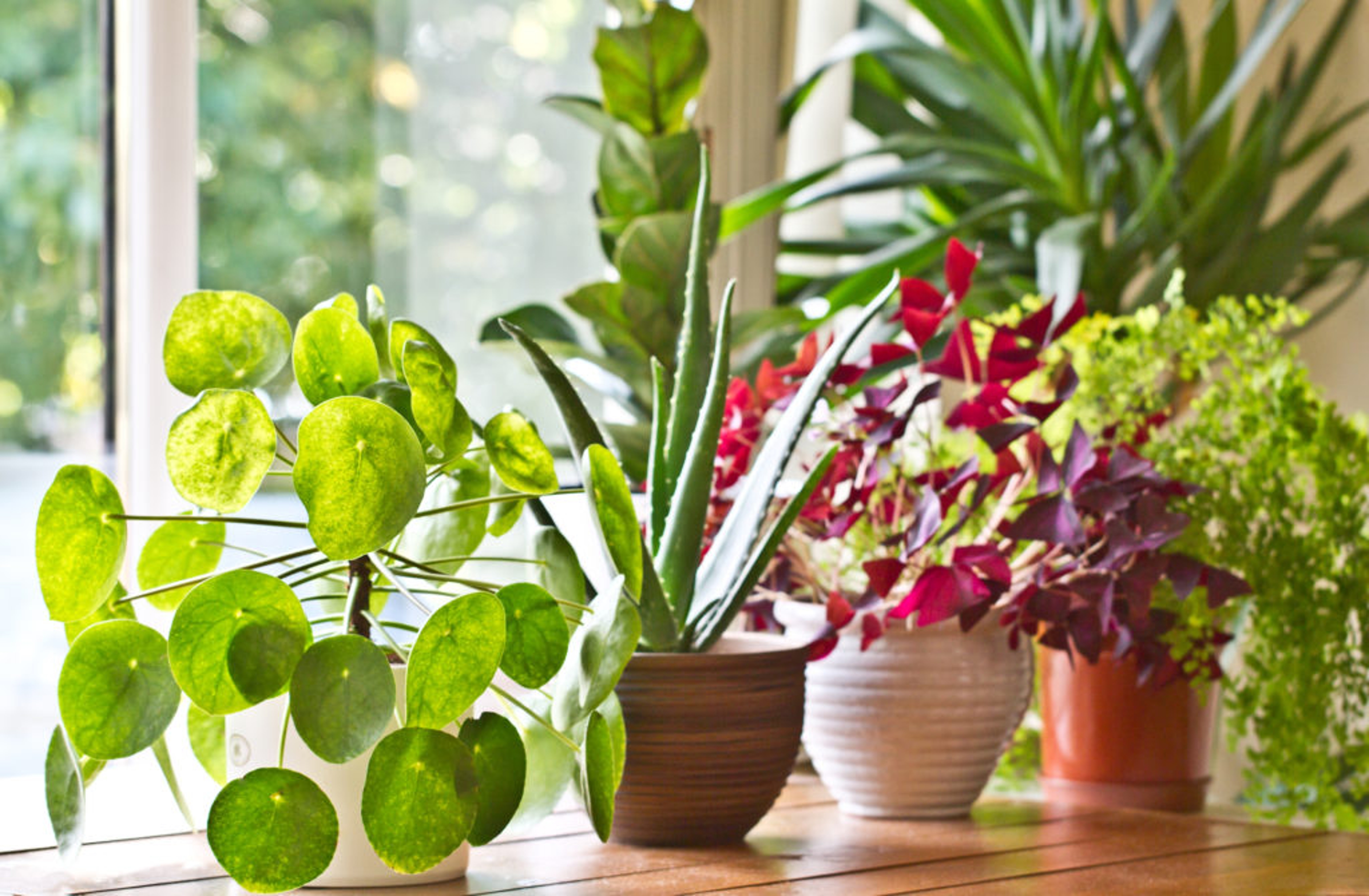
During the shorter days of fall, it's important to make sure your plants are getting enough light. For indoor plants, move them to a brighter location, such as a south-facing window. Research the amount of sunlight your plants need, as it varies depending on the species. Clean your plant's leaves regularly to remove dust and dirt, which can block light. You can also rotate plants, which will help to ensure that all sides are getting enough light.
Watering
As the days get shorter and cooler, most indoor plants need less water, but don't switch to a fixed schedule. Check the soil first, and test moisture at a depth that fits the pot, deeper for large containers and just below the surface for small ones. Let the soil dry to the level your plant prefers before watering again, since a succulent, a tropical foliage plant, and a moisture-loving plant all want something different. Make sure the pot drains well, and let plant type, pot size, indoor heat, and wind guide how often you water rather than the calendar. For outdoor plants, water them less frequently as the weather cools down, but when you do water, make sure to water them deeply so the water reaches the roots. This helps to prevent the roots from drying out. If your plants are in a windy or hot location, water them more frequently.
Temperature
Monitor the temperature in your home and avoid placing plants in areas where the temperature fluctuates wildly. This can stress plants and make them more susceptible to pests and diseases. The ideal temperature for most indoor plants is between 65 and 75 degrees Fahrenheit. For outdoor plants, be aware of their cold hardiness and bring them indoors if necessary. The cold hardiness of a plant is the lowest temperature that it can survive. You can find this information for each plant by doing some research online. We provide basic temperature information for specific plants on our Plant Care Guide.
Getting outdoor and patio plants ready for cold
As frost gets closer, your outdoor and container plants need a plan. Start with each plant's cold hardiness, which is the lowest temperature it can survive, then compare that to your local first-frost forecast.
When to bring tender plants inside
Don't wait for a hard freeze. Tender and tropical plants should usually come in before nighttime temperatures approach their minimum tolerance, and container-grown plants get cold faster than plants in the ground. Before a plant comes indoors
- Inspect it closely for pests, checking leaf undersides, stems, the soil surface, and the pot
- Clean the leaves and the outside of the pot
- Ease it into lower indoor light gradually, rather than all at once
Protecting plants you're leaving outside
For plants staying outdoors, match the protection to the plant
- Move containers to a sheltered spot or against a wall
- Mulch appropriate in-ground plants to insulate the roots
Additional plant care tips
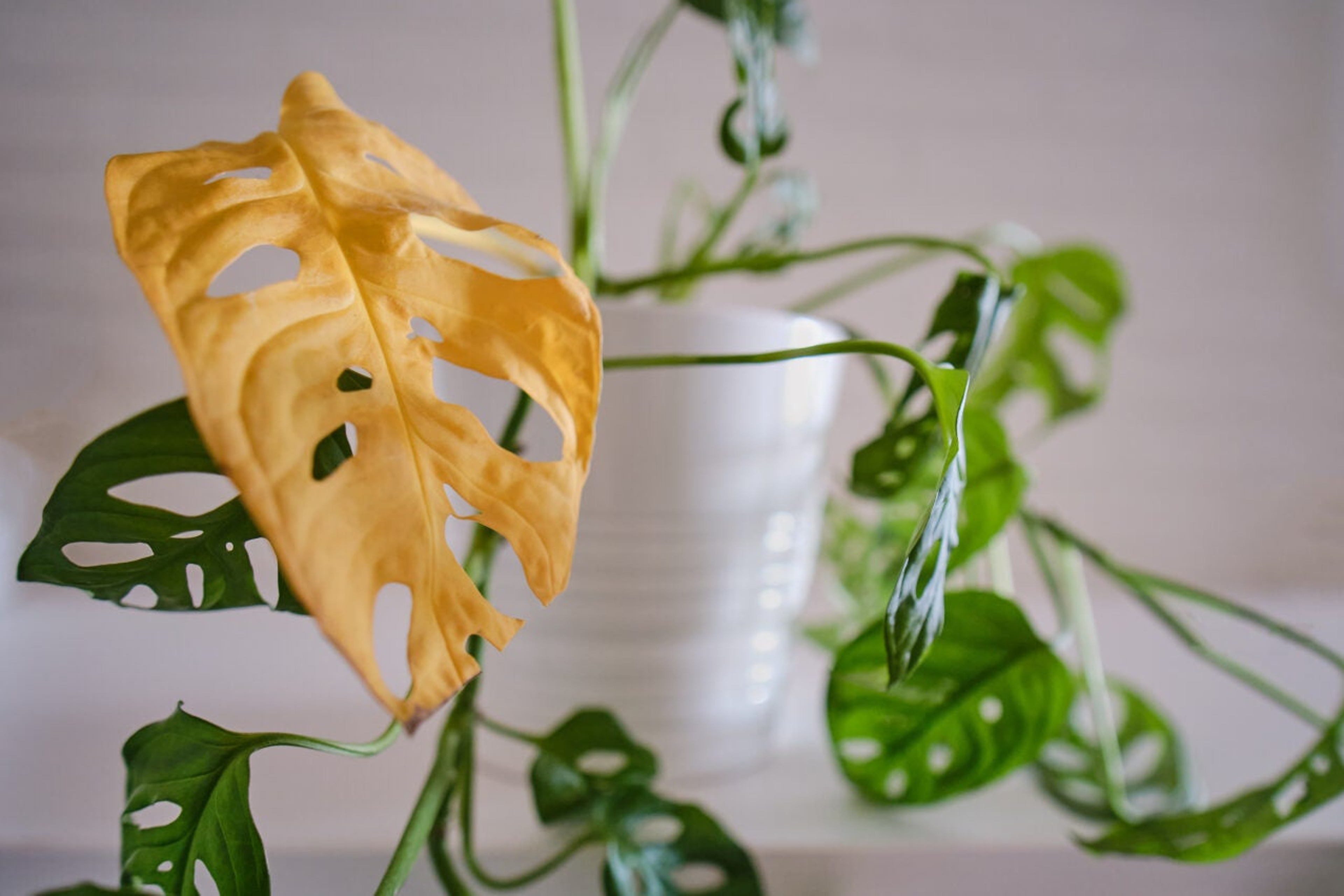
- Remove dead, damaged, or diseased leaves any time, since they can harbor pests and diseases. Save major cutting back for the right season for that plant, because not every houseplant, perennial, or spring-flowering shrub should be pruned in fall
- Fall is often a slower-growth season, so routine or cosmetic repotting can usually wait until spring. Repot now only for urgent problems like severe root binding, poor drainage, or root-health issues, and when you do, move up just one pot size
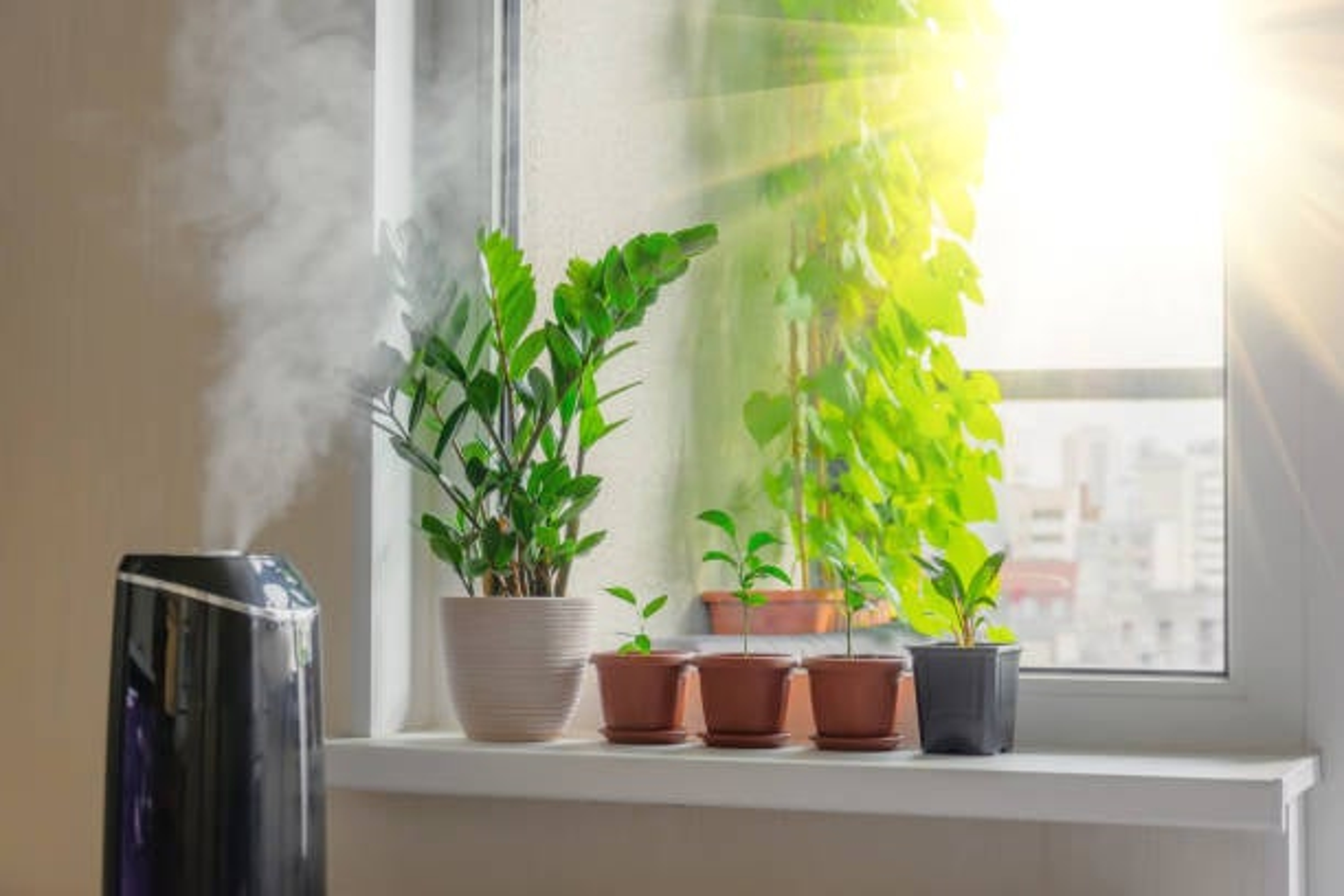
- Use a humidifier to prevent your plants from drying out in the dry winter air. The ideal humidity level for most indoor plants is between 40 and 60%
- Inspect your plants regularly to prevent pests and diseases. Take action if you see any problems, as pests and diseases can be a major problem for plants
- Beware of drafts. Plants can be sensitive to cold drafts, so avoid placing them near air conditioning vents or windows and doors that are frequently opened and closed
In conclusion, fall is a crucial time for plant care. By adjusting your plant care routine to meet the needs of your indoor and outdoor plants, you can help them thrive during the cooler months. Remember to research the needs of your specific plants, and don't hesitate to reach out if you have any questions or concerns. Don't forget to check out our Fall Plants Collection to find the perfect plants for your home or garden! Happy gardening!
Shop Fall Plants
Shop All Plants
How should I adjust watering for houseplants in fall?
Water less as the days get shorter and cooler, but do not follow a fixed schedule; check the soil first. Check soil moisture at a depth appropriate to the pot: deeper for large containers, just below the surface for small ones. Let the soil dry to the level your plant prefers before watering again. Different plant types have different needs, so let plant type, pot size, indoor heat, and drafts guide you rather than the calendar.
When should I bring tender outdoor and patio plants indoors?
Bring tender and tropical plants in before nighttime temperatures approach their minimum tolerance, do not wait for a hard freeze. Check each plant's cold hardiness, which is the lowest temperature it can survive, and compare that to your local first-frost forecast. Container-grown plants get cold faster than plants in the ground, so they may need to come in sooner.
What should I do before bringing outdoor plants inside for fall?
Inspect each plant closely for pests. Check leaf undersides, stems, the soil surface, and the pot. Clean the leaves and the outside of the pot. Reduce light gradually rather than suddenly to help the plant adjust and to avoid moving pests indoors.
How can I protect outdoor plants and containers from frost?
Match the protection to the plant. Move containers to a sheltered spot or against a wall, and mulch appropriate in-ground plants to insulate the roots. Base your timing on each plant's cold hardiness and your local first-frost forecast.
Should I repot houseplants in fall or wait until spring?
Wait until spring for routine or cosmetic repotting, since fall is often a slower-growth season. Repot now only for urgent problems like severe root binding, poor drainage, or root-health issues, and when you do, move up just one pot size.
AUTHOR

Check out the helpful blog posts written by the 1-800-Flowers.com crew. We have you covered with everything from gifting to flower fun facts to DIYs.