


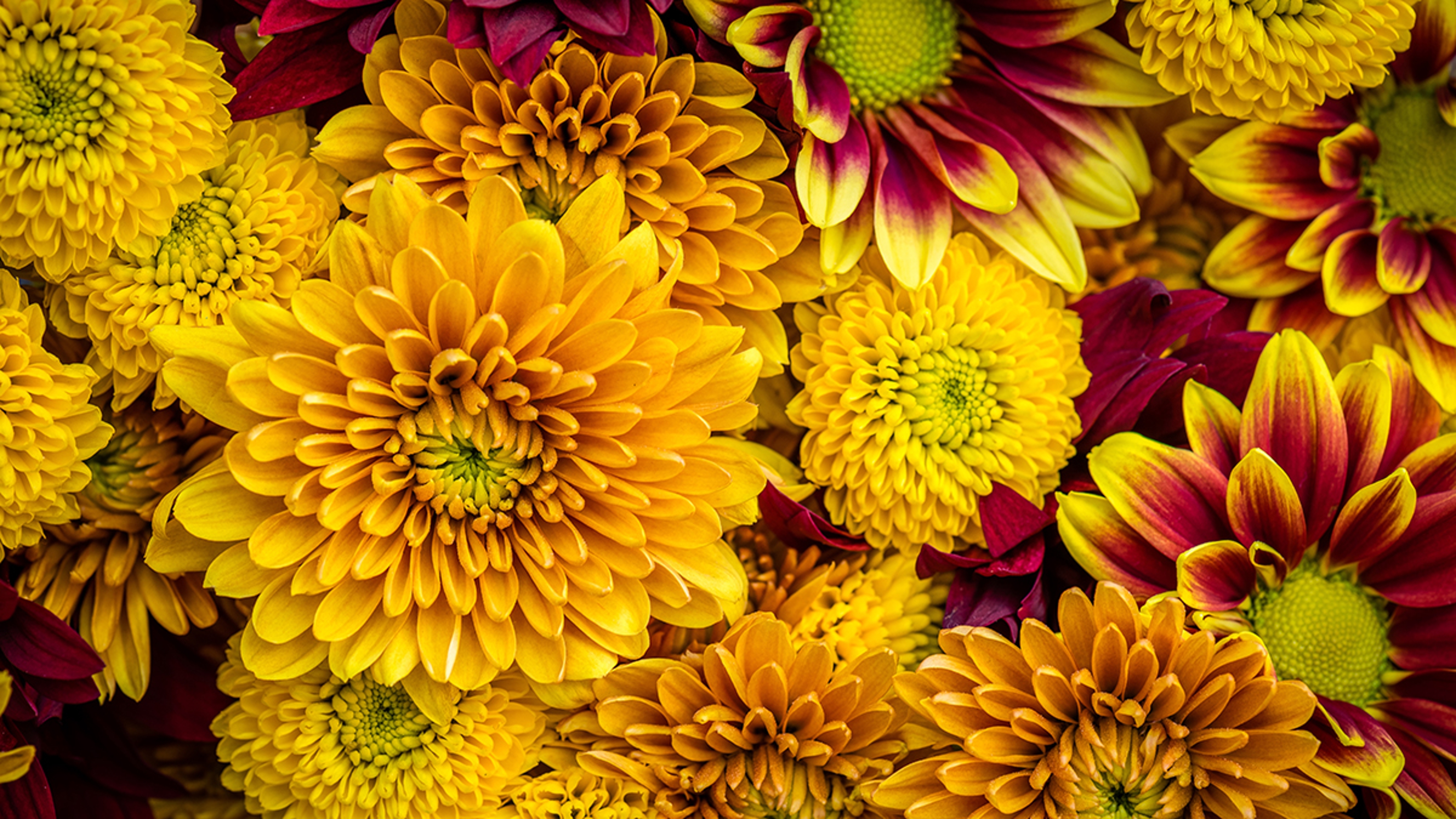
Guide to Autumn Flowers
These easy-to-grow plants will really make your home and garden pop this season.
Published: Sep 19, 2024 | Modified: Sep 09, 2026
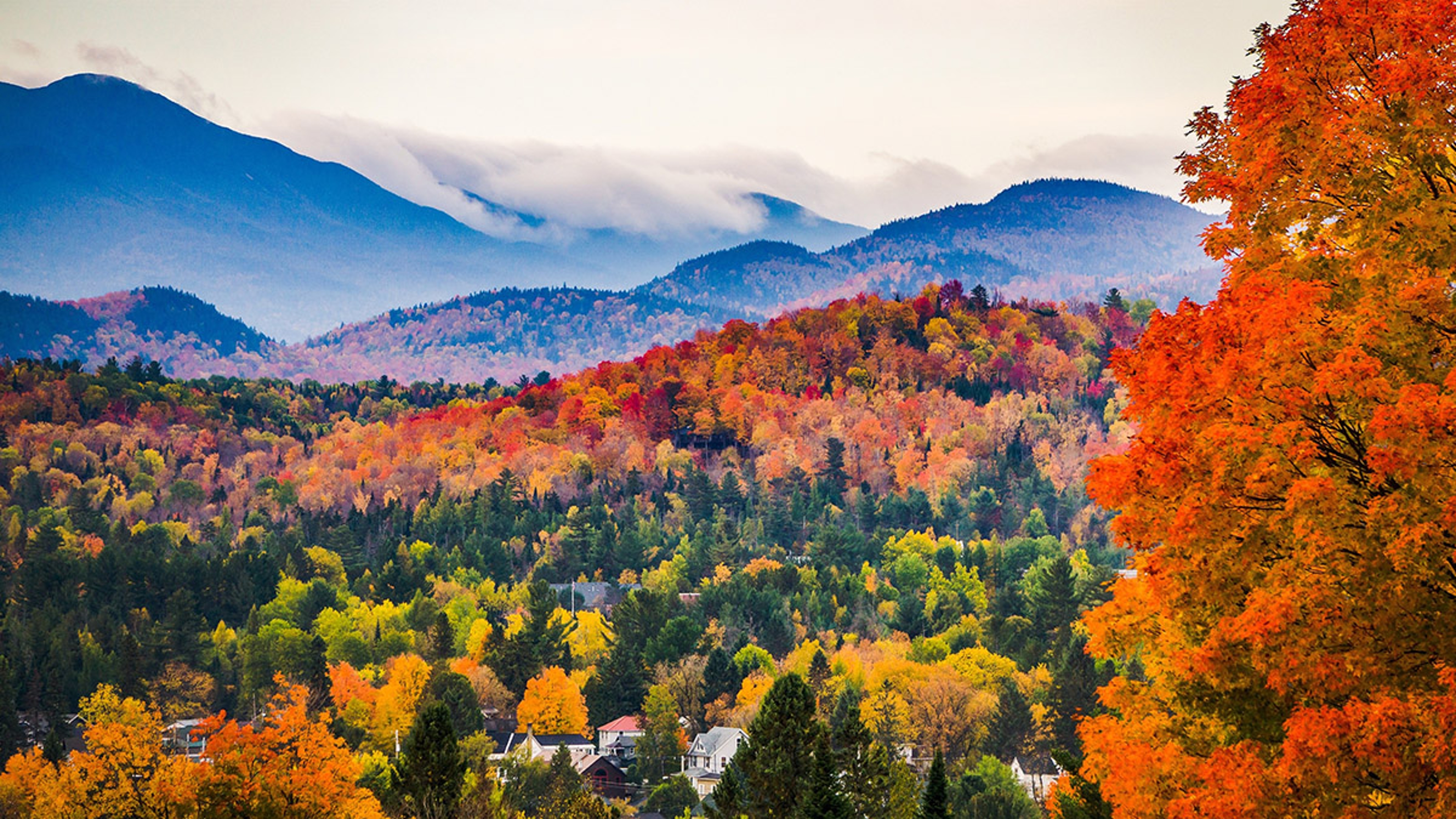
Fall brings cool weather, warm colors, and more flower choices than most people expect. The classic autumn bloomers include chrysanthemums, asters, pansies, celosia, marigolds, black-eyed Susans, and hydrangeas, plus crotons for indoor color, all in the oranges, yellows, reds, burgundies, and purples the season is known for.
Below, you'll find how to choose and care for each one, whether you're filling garden beds, refreshing your patio and porch containers, decorating indoors, or picking blooms for a fall bouquet or centerpiece. Most are easy to grow, so they're a friendly place to start no matter your experience level.
Not sure where to start? Here's a quick side-by-side look at the fall flowers in this guide so you can match them to your space and your goals.
Flower | Type | Best For | Light | Frost Notes |
|---|---|---|---|---|
Chrysanthemums | Perennial (often grown as annual) | Patios, porches, containers, beds | Full sun | Mulch to help them winter over |
Asters | Perennial | Containers, garden beds | Full sun | Cool and warm regions, plant in fall* |
Pansies | Perennial (often grown as annual) | Containers, hanging pots, edging | Full sun to part shade | Cool-weather plant |
Celosia | Tender perennial (usually grown as annual) | Beds, containers, accents | Full sun | Tender, sensitive to cold |
Marigolds | Annual | Garden beds, borders | Full sun (verify before publication) | Stays lively into frosty conditions |
Black-eyed Susans | Annual and perennial forms | Garden beds, wildflower areas | Full sun | Blooms into October |
Hydrangeas | Perennial (verify before publication) | Beds, cutting, foliage interest (verify before publication) | Sun to part shade (verify before publication) | Blooms spring through fall (verify before publication) |
Crotons | Perennial in warm climates | Indoor and porch foliage | Bright, indirect light | Bring indoors below 50 degrees |
How to plant and care for fall flowers
Most fall flowers ask for the same handful of things, so once you get the basics down, you can grow nearly everything on this list.
- Give them sun. Chrysanthemums, asters, celosia, and marigolds all want full sun, roughly 5–6 hours a day. Pansies can take a little more shade, and crotons prefer bright, indirect light indoors. (Verify the marigold and hydrangea light claims before publication and remove if confirmation is unavailable)
- Prioritize drainage. Fall bloomers dislike wet feet. Use fertile, well-draining soil, lighten heavy soil with organic matter, and make sure every container and hanging pot has drainage holes
- Water for each plant's needs. Water mums well and let the soil drain between waterings, water pansies consistently, and keep celosia and croton soil moist but not wet
- Deadhead to keep blooms coming. Removing spent flowers, especially on pansies, encourages more color through the season
- Protect against the cold. As temperatures drop, a layer of mulch helps perennials like chrysanthemums and pansies winter over. Tender plants such as celosia and crotons are sensitive to cold, so bring crotons indoors when nights fall below 50 degrees (verify the below-50-degree croton threshold before publication and remove if confirmation is unavailable)
Brighten up your patio with chrysanthemums
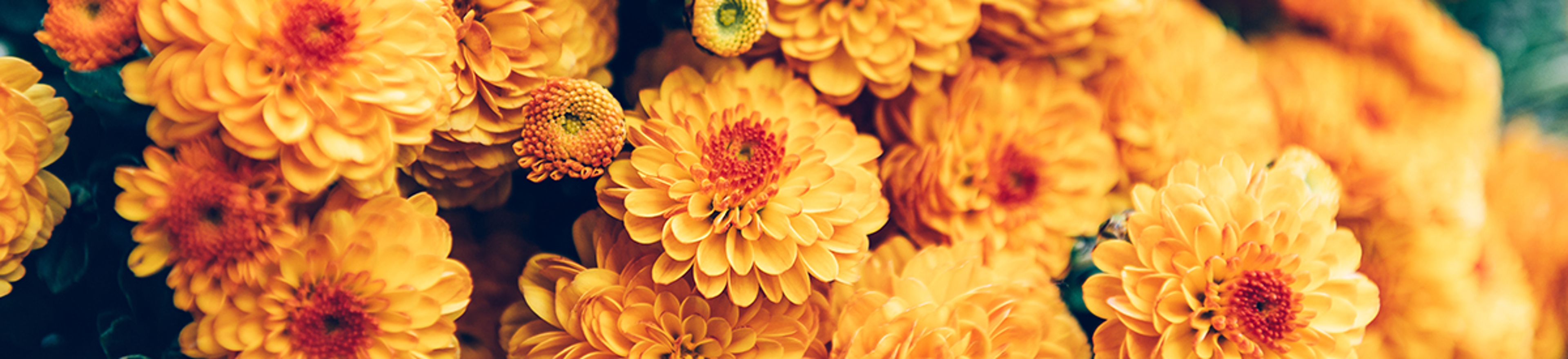
Replace your fading summer annuals with bright chrysanthemums, or plant them in containers for your patio or porch, or in hanging pots. Varieties include pom-poms, old-fashioned daisy-like blooms, tall-growing or mounding, and even huge spider mums. They come in an array of colors to complement your décor as well: white, yellow, orange, red, red-orange, lavender, purple, and even multicolored.
Since they're perennials, chrysanthemums should be planted in the spring or summer in cooler regions so that they have time to develop their shallow root systems. They are often sold in garden centers as short-season annuals for fall planting. In warmer regions, many varieties of mums can be planted in either the spring or fall and grown as perennials. When temperatures drop, a layer of mulch around the plants helps them to winter over.
Chrysanthemums require full sun for five to six hours per day and fertile, well-draining soil. Space the garden-planted mums 2 ½ to 3 feet apart to give them air circulation, and water them well, allowing them to dry between watering to give the soil a chance to drain. They don't like wet feet and will develop root rot if kept in water. Be sure the containers and hanging pots have drainage holes to keep the plants healthy.
Attract butterflies to your garden with asters
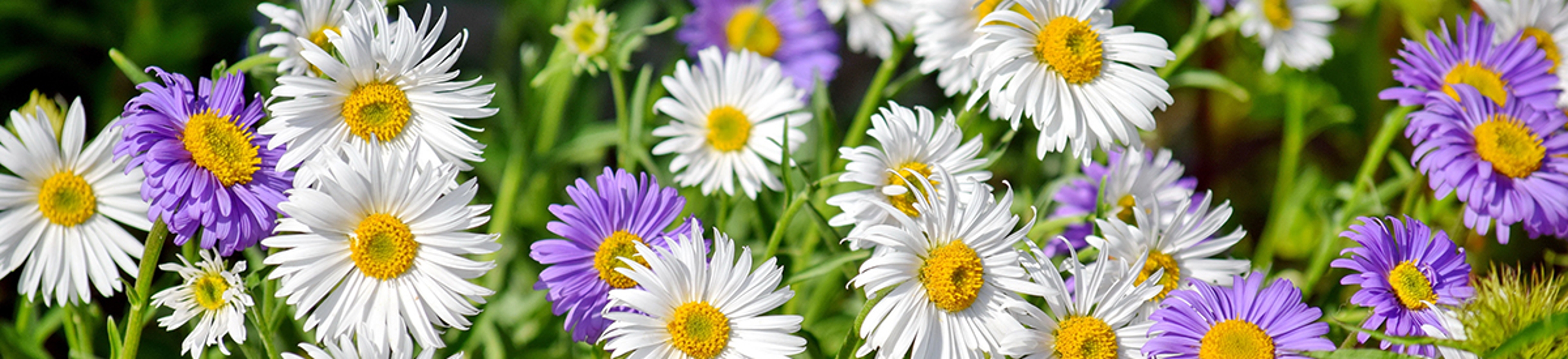
The star-shaped asters sold in garden centers are bright purple, pink, or blue with yellow centers and rows of delicate, narrow petals. They are great in containers or in your garden, and are irresistible to bees and butterflies.
Asters are perennial flowers that can be planted in the fall in both cool and warm regions. Some varieties are mounding, and others grow 3 to 4 feet tall and may require staking to keep them upright. Plant them in containers or in a sunny spot in your garden — one with at least five to six hours of full sun per day, since they tend to get leggy in part shade. They thrive in well-draining, fertile soil, spaced 2 ½ to 3 feet apart for enough air circulation. Asters are susceptible to powdery mildew, so water the soil underneath them, being careful not to soak the leaves or flowers.
Add a splash of color to hanging pots with pansies
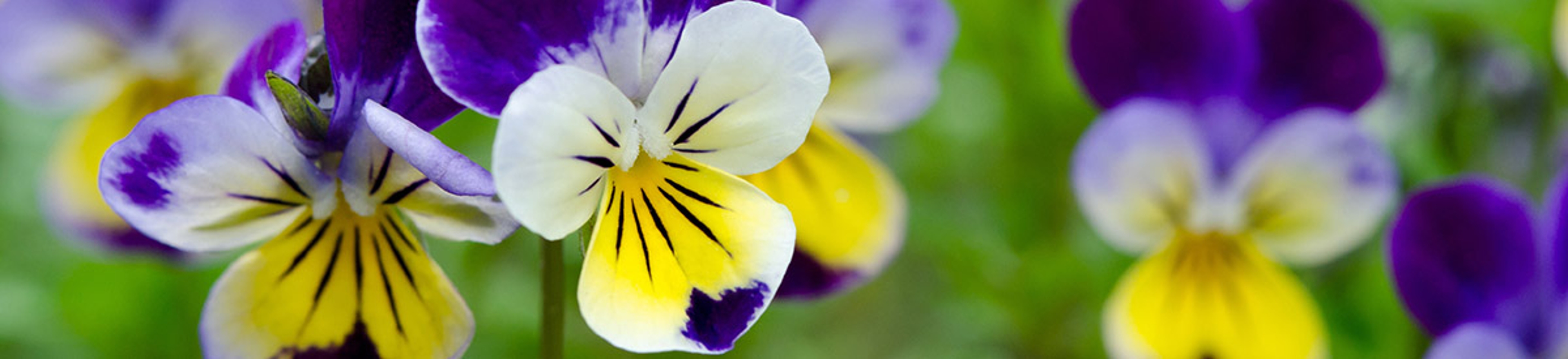
Pansies are among the most cheerful fall flowers.
Pansies, the autumn flowers with cheerful little faces, are cool-weather plants that are among the first sold in the spring and fall. They come in white, yellow, peach, blue, dark red, and bicolor. Pansies are easy to grow and add a splash of color to containers, hanging pots, and your garden as edging or bedding plants. They are perfect for beginning gardeners.
Pansies are perennials that are often grown as annuals. They are best planted in the early spring and fall in cool regions, and as late fall and winter plants in warm regions. They like full sun but need to be protected with part shade in warm regions.
Pansies thrive in fertile, well-draining soil that is rich in organic matter. They need to be watered consistently and deadheaded to keep them blooming. To grow them as perennials, add a layer of mulch that will shelter their roots in the cold weather and help them winter over.
Bring imagination to your backyard with celosias
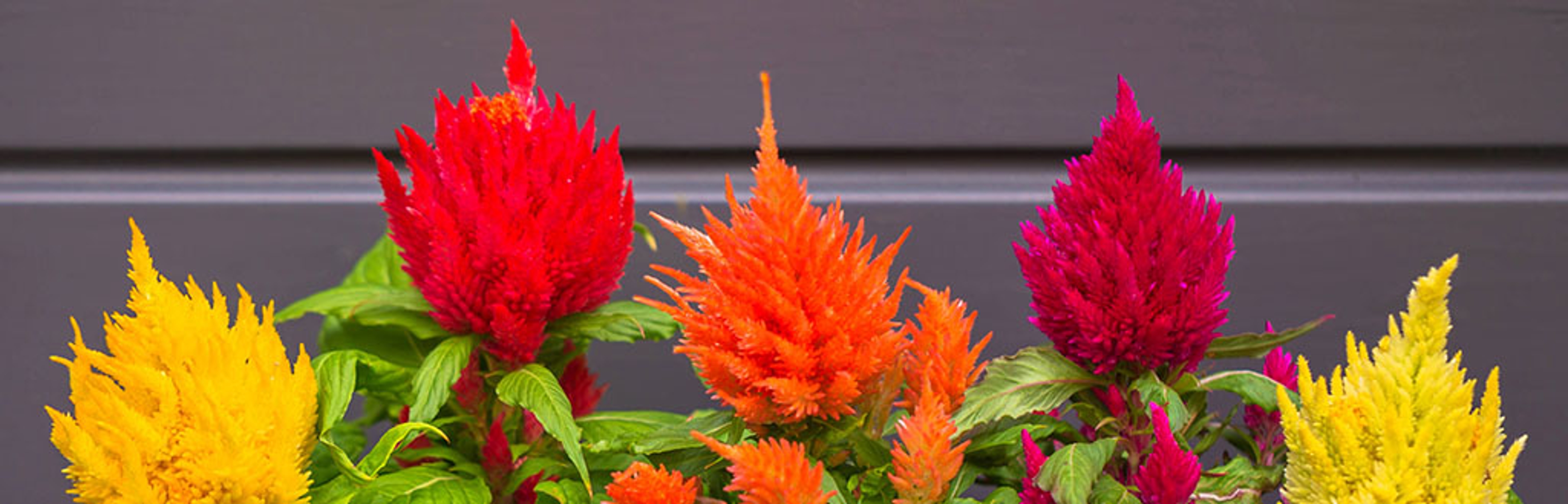
Celosia flowers have been said to look like something out of a Dr. Seuss book! Wool flower, cockscomb, dragon's breath, and wheat celosia are some of the fanciful names for different species of these flowers, each of which has a unique form. They add brilliant spots of red, orange, yellow, pink, or purple to your late summer and fall garden, and their striking shapes make them excellent accent plants for your flower beds or containers.
In warm climates, they are tender perennials but are usually sold as annuals everywhere. Celosias love full sun and need at least six hours per day. They are finicky about water and prefer slightly moist but never wet soil. Root rot can be a problem, so be sure to lighten the soil with plenty of organic matter to keep it well drained.

Decorate for the season indoors with crotons
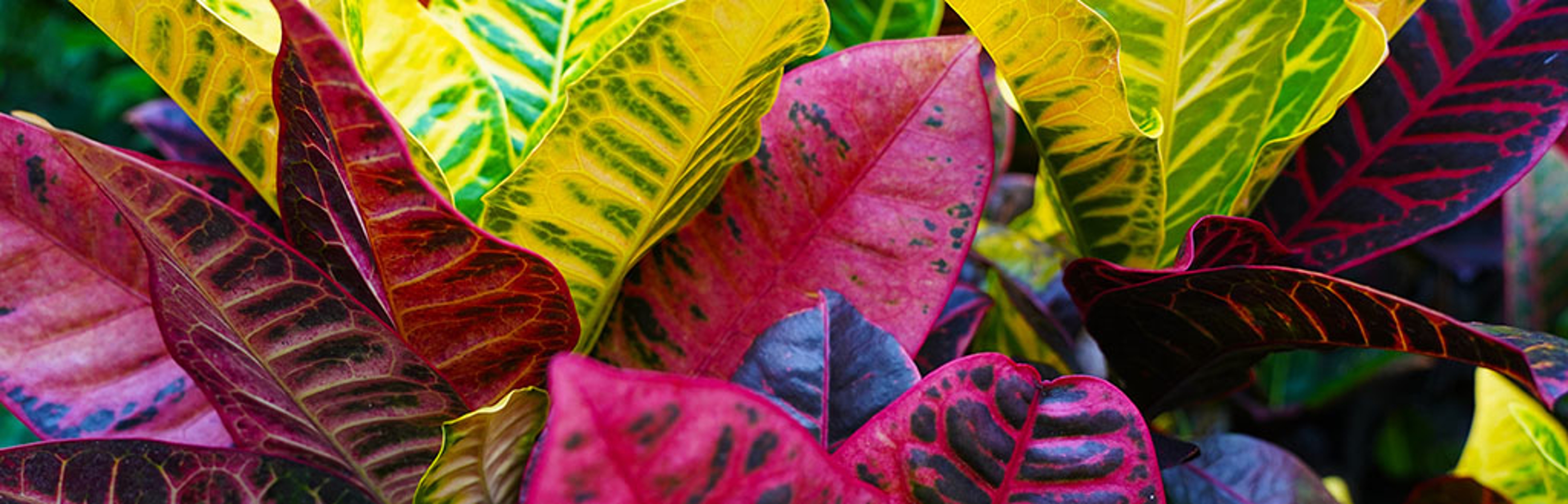
Crotons, or garden crotons, are shrubs grown for their interesting foliage splashed with multicolored red, green, and yellow.
These plants are perennial in very warm climates but can be grown successfully in the fall outdoors in temperate climates while the weather is still warm, usually in containers.
The perfect situation for crotons is a warm and humid environment with bright, indirect light, such as on a porch or in the dappled shade. They are great houseplants and can be brought in when temperatures outside fall below 50 degrees. If you have enough indoor light, the kitchen or bathroom might be the best spot for your plant. Use a well-draining potting mix and water regularly to keep the soil moist but not wet. Leaf drop on these plants comes from too cool temperatures, drafts, and low humidity, so keep it warm and mist regularly.
A word of caution: All parts of croton plants are poisonous if ingested and irritating if the sap gets on skin. Keep your plant away from children and pets to be on the safe side..
Maintain a staple bloom with marigolds
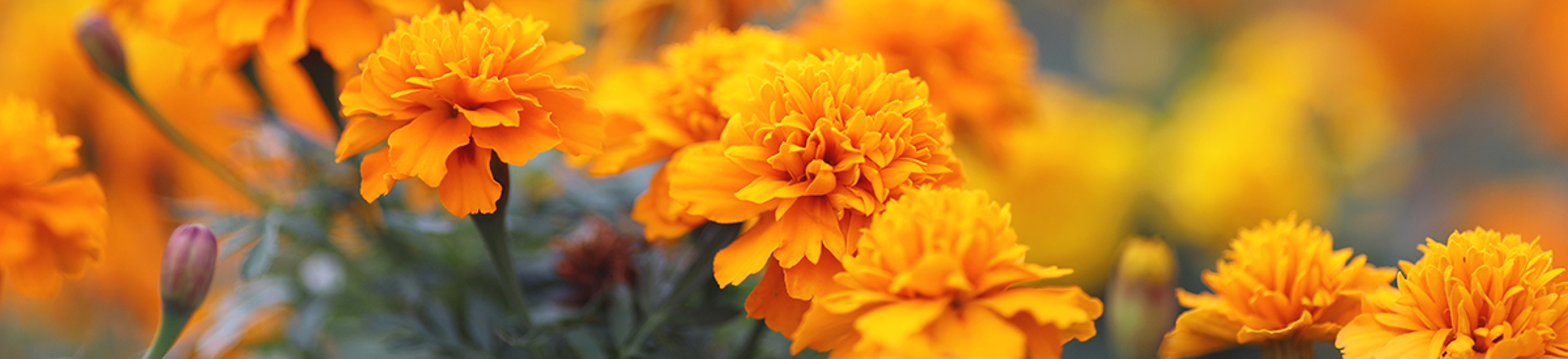
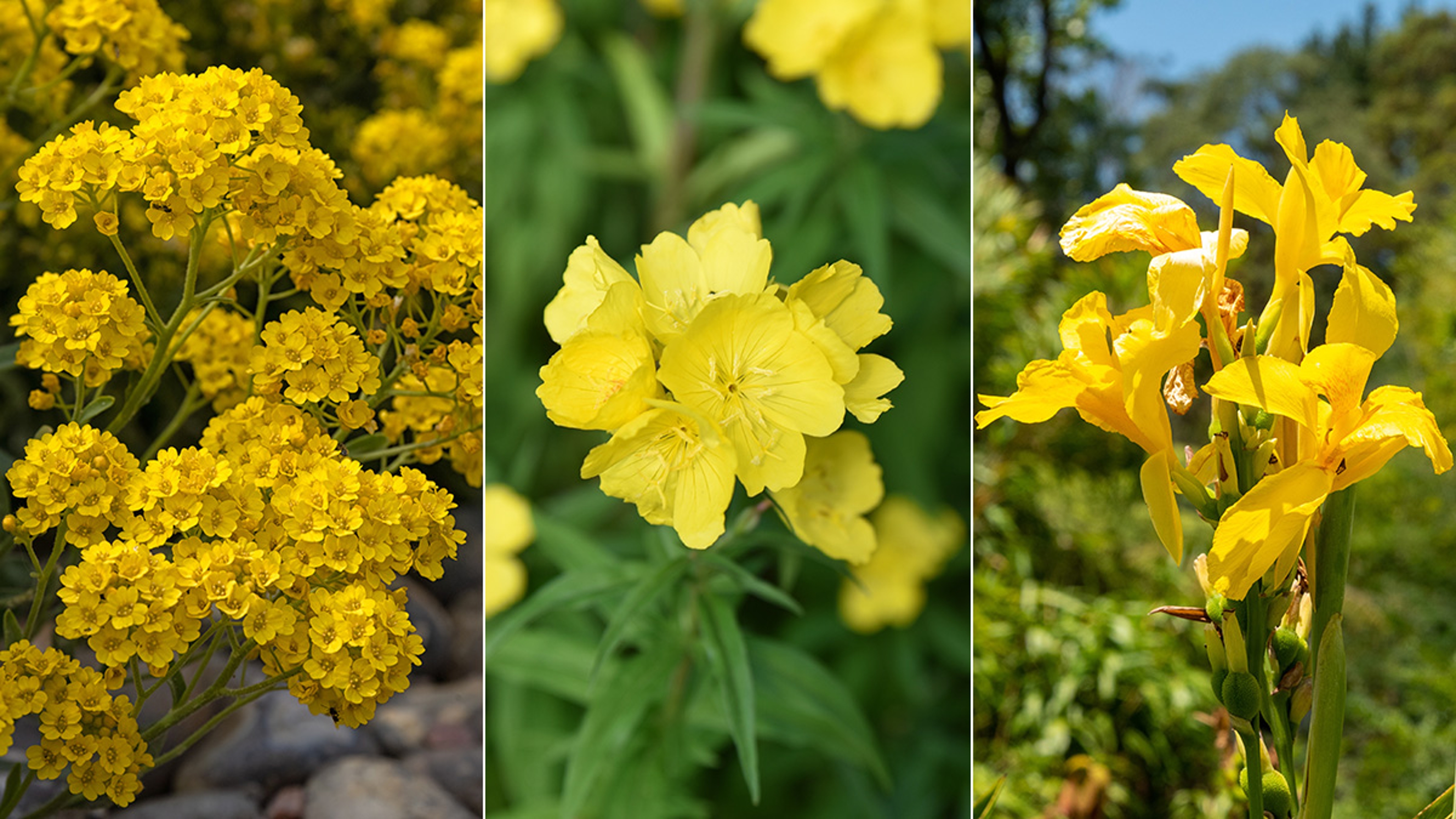
These bright, layered blooms add a delightful pop of fall to any garden, with varying hues of yellow, orange, red, and maroon. Marigolds are a signature autumn flower for their sunny appearance as well as their mild maintenance needs. They will thrive in well-drained soil and stay lively into frosty conditions. These annual blooms should be planted in the spring as the frost clears. Marigolds are a sturdy selection for the fall months and won't drain your energy in the garden.
Keep in sunny with black-eyed Susans

As summer transitions into fall, the temperatures drop and the sun sets earlier in the day. While fall is known for its darker colors, you can still sustain a bright glow with the rich yellow petals of the black-eyed Susan. These annual and perennial blooms are reminiscent of a sunflower but are actually a part of the aster family. The sunflower-daisy hybrid begins to bloom in June and continues to attract bees and butterflies through October. The black-eyed Susan is one of the most common wildflowers in North America, as it can tolerate a variety of soil conditions. (Pending authoritative confirmation of the annual-versus-perennial distinction, add the approved explanation that perennial varieties can return each year while annual forms provide reliable color for the current season.)
Don't forget about hydrangeas in the cooler months
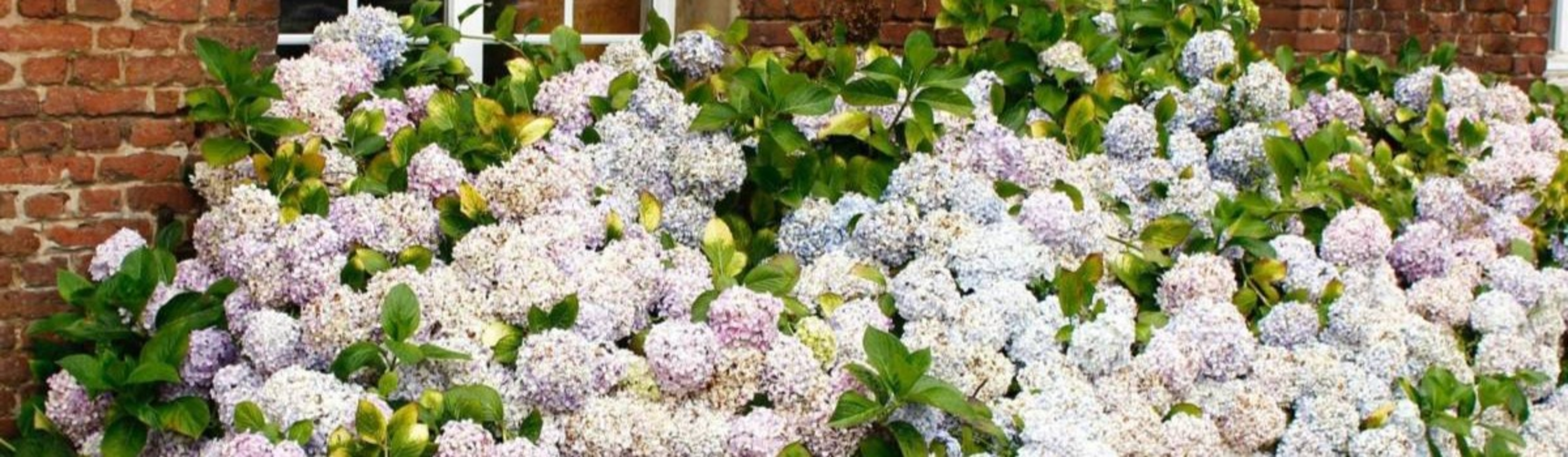
Hydrangeas thrive in the spring, summer, and fall months. This flower has many varieties that bloom at different times and in different conditions. This beautiful pink-and-blue bloom will contribute to the fall foliage for which the season is so well known. The color of the flower depends on the acidity of the soil in which it's grown. To tinker with the color, add sulfur or aluminum sulfate to promote a blue bloom or dolomitic lime for pink. (Verify the soil-acidity and amendment guidance before retaining it.)
Fall flowers for bouquets, décor, and gifting
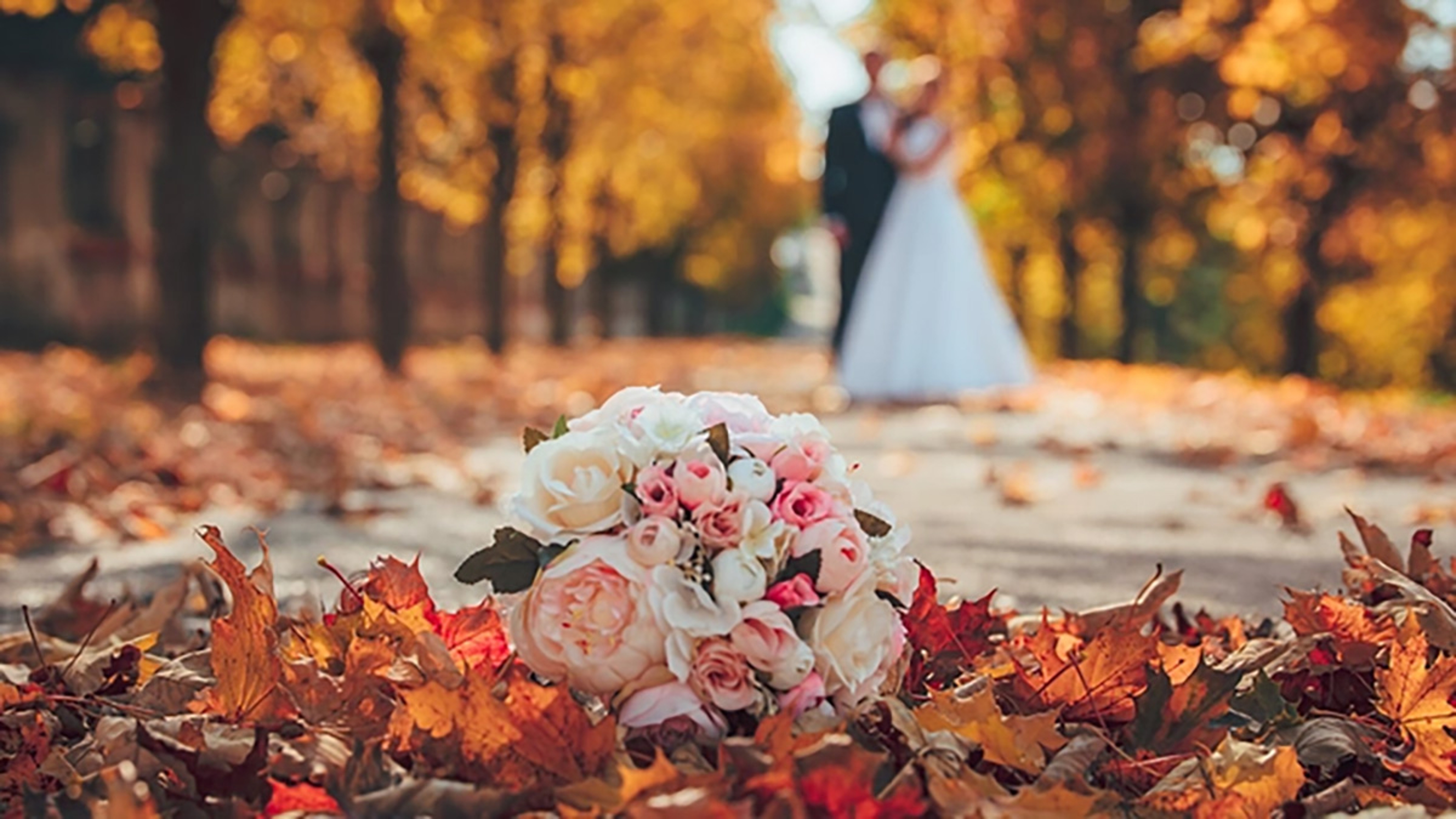
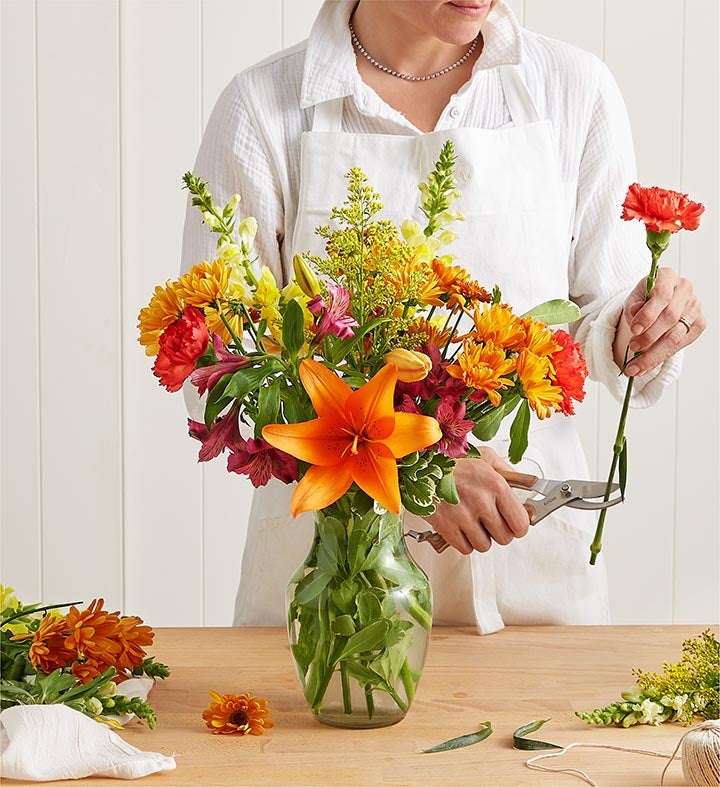
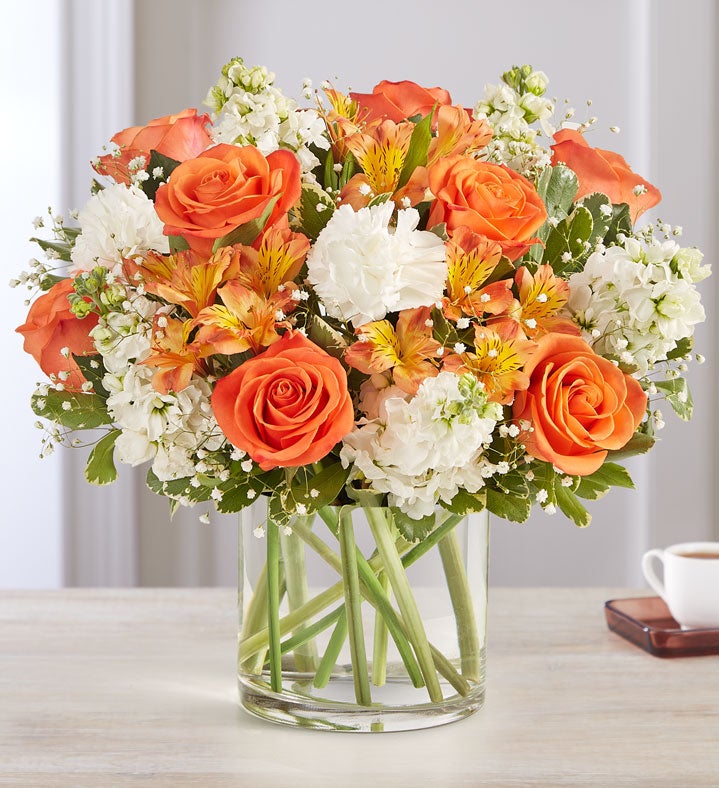
Beyond the garden, these same blooms bring the season indoors. If you're building a fall palette, chrysanthemums, marigolds, and black-eyed Susans deliver the warm yellows, oranges, and maroons, while asters and pansies add purple, blue, and dark red depth, and hydrangeas bring pink and blue. Mix a few together and you've got the classic autumn look for a table centerpiece, a porch pot, or a bouquet.
These are also easy, thoughtful blooms to send. A warm fall arrangement is a simple way to bring the season to someone's door.
When should I plant fall flowers?
It depends on the flower and your region. Chrysanthemums grow best when planted in spring or summer in cooler regions, though many are sold as short-season annuals for fall planting. In warmer regions, chrysanthemums can be planted in spring or fall. Asters are planted in fall in both cool and warm regions. Pansies do well in early spring and fall in cool areas, and as late-fall and winter plants in warm areas. Marigolds should be planted in spring once the frost clears.
Which fall flowers are best for containers, patios, and porches?
Chrysanthemums work well on patios, porches, in containers, and in hanging pots. They are a common replacement for fading summer annuals. Asters do well in containers or garden beds, and pansies add color to containers, hanging pots, and edging. Crotons are suitable for porch and indoor foliage in bright, indirect light, so bring them indoors when nights fall below 50 degrees. Celosia is a bold accent in beds or containers.
Which fall flowers attract bees and butterflies?
Asters attract bees and butterflies. Black-eyed Susans also draw bees and butterflies; they bloom from June through October, so pollinator activity continues into fall.
How do I care for fall flowers through cool weather?
Add a layer of mulch as temperatures drop to help perennials such as chrysanthemums and pansies survive the winter. Tender plants, for example celosia and crotons, are sensitive to cold, so bring crotons indoors when nights fall below 50 degrees. Give flowers adequate sun and drainage, and deadhead spent blooms, especially pansies, to prolong flowering.
Which fall flowers are best for bouquets and centerpieces?
Chrysanthemums, marigolds, and black-eyed Susans provide warm yellows, oranges, and maroons, while asters and pansies add purple, blue, and dark red, and hydrangeas add pink and blue. Mix a few for a classic autumn look in a table centerpiece, a porch pot, or a bouquet.
AUTHOR

Nancy Maffia has a bachelor’s in biology and a master’s in horticulture and communications. She has worked in plant taxonomy, has written and edited gardening books and plant articles, and currently works at a garden center helping customers with plant and gardening questions. She has been published in the Encyclopedia of Indoor Gardening, Getting the Most from Your Garden, and others.